
In the fast-paced world of business, access to quick capital can often mean the difference between seizing an opportunity and watching it slip away. Unsecured business loans, with their promise of speed and simplicity, have become an appealing option for many entrepreneurs. Yet, these loans typically come with higher interest rates compared to their secured counterparts, raising a critical question: Are they truly worth the added cost? This article delves into the nuanced world of unsecured business loans, exploring their benefits, drawbacks, and the scenarios where their higher rates might be justified—or best avoided.
Table of Contents
- Understanding the True Cost of Unsecured Business Loans
- Evaluating Risk Factors and Lender Criteria
- Strategies to Secure Better Terms Despite Higher Rates
- Weighing Benefits Against Alternatives for Smart Borrowing Decisions
- Q&A
- To Conclude
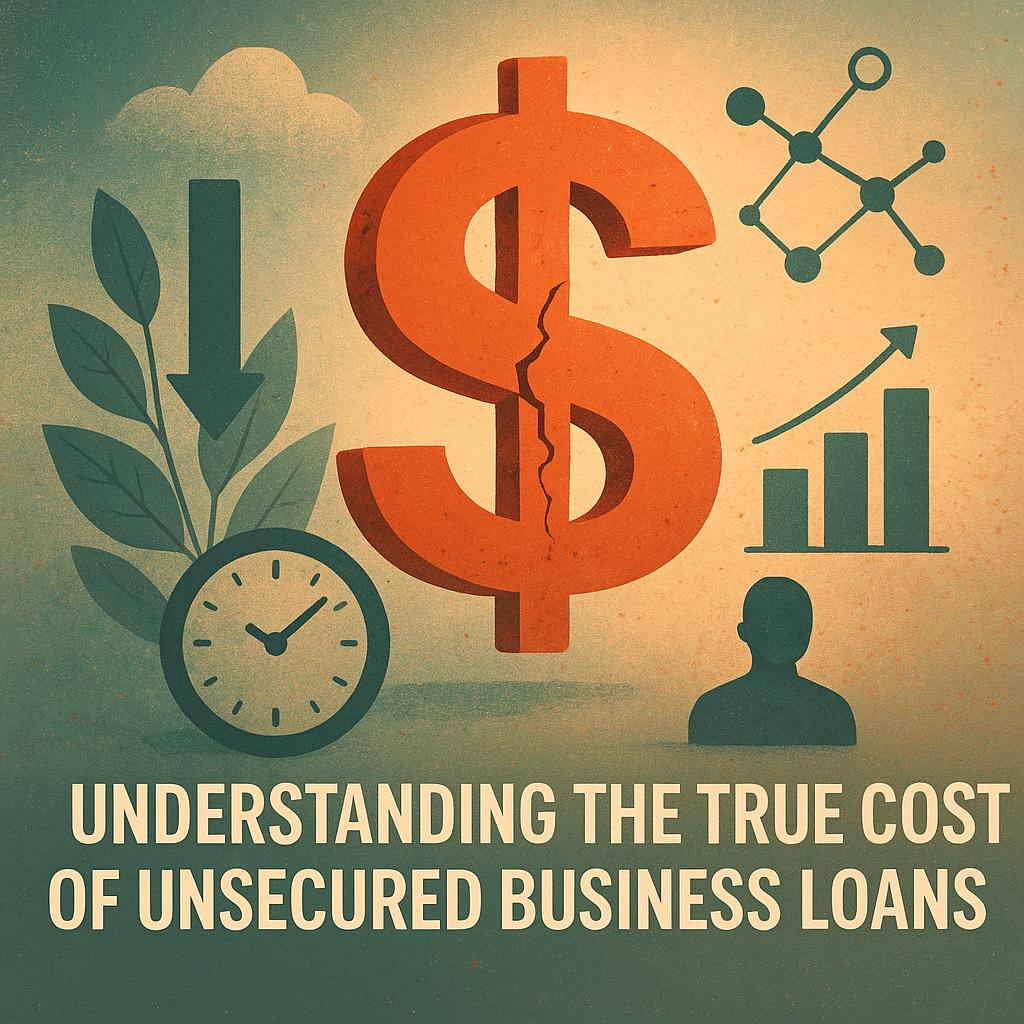
Understanding the True Cost of Unsecured Business Loans
Hidden expenses often accompany the seemingly straightforward terms. Origination fees, prepayment penalties, and fluctuating APRs can contribute to the overall financial burden. These factors should be carefully compared against secured loans or alternative financing options, especially for businesses prioritizing long-term cost efficiency.
To put things into perspective, here’s a simplified snapshot:
| Loan Type | Interest Rate | Typical Fees | Collateral Required |
|---|---|---|---|
| Unsecured | 8% – 20% | Origination, Prepayment | No |
| Secured | 4% – 12% | Sometimes application fee | Yes |
Understanding these components will empower you to calculate the total cost more precisely, rather than focusing solely on the interest rate. Evaluating your business’s ability to manage repayment pressures without collateral can determine whether the convenience of an unsecured loan compensates for its elevated price.
- Assess your cash flow: Can your revenue reliably cover the potentially higher payments?
- Compare all costs: Interest + fees + penalties make up the effective loan expense.
- Factor in risks: While unsecured loans protect your assets, is the cost worth the risk mitigation?
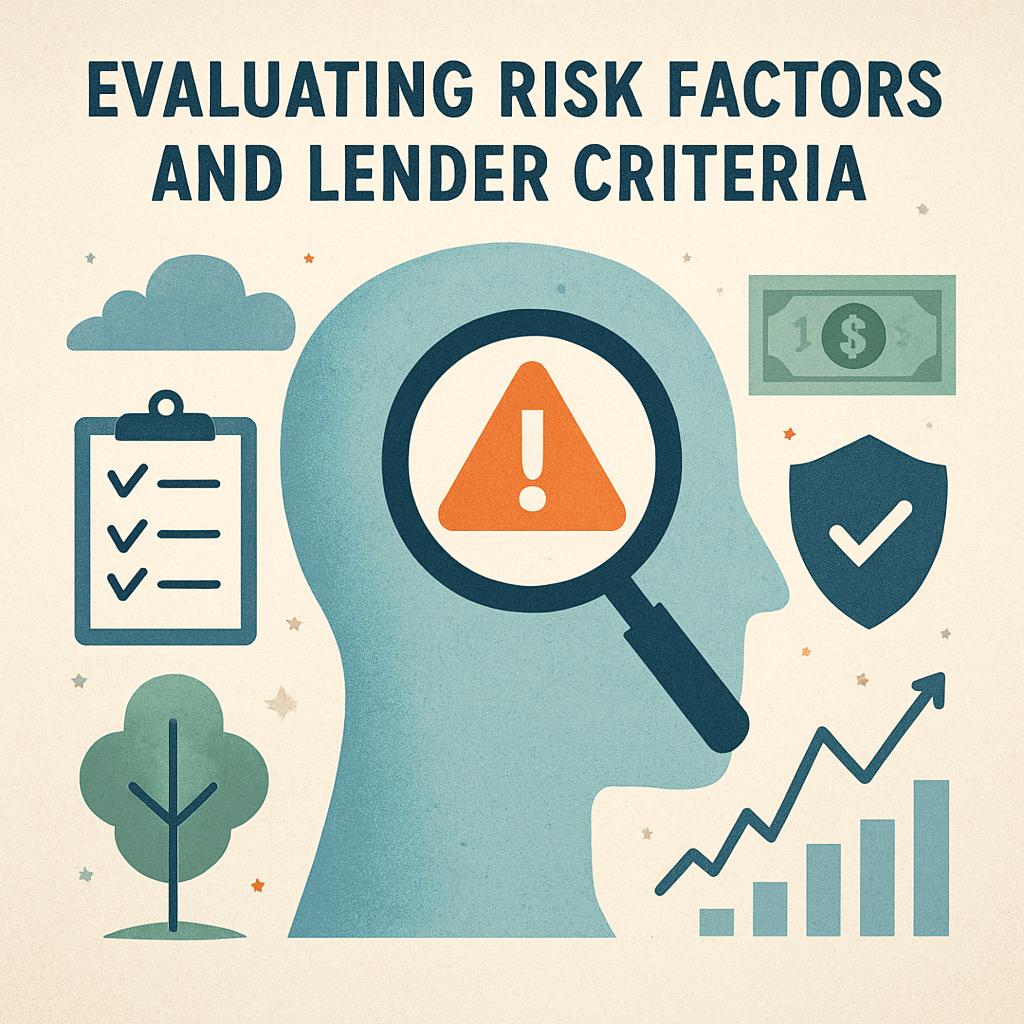
Evaluating Risk Factors and Lender Criteria
When diving into the world of unsecured business loans, understanding what lenders prioritize is crucial. Since these loans carry no collateral, financial institutions typically take a closer look at the overall creditworthiness of a business and its owner. Factors like credit score, business cash flow, and the length of time the company has been operational play pivotal roles. A strong credit history doesn’t just unlock better rates; it also influences the loan amount a lender is willing to offer.
Beyond credit scores, lenders often assess:
- Current debt levels and repayment history
- Business revenue and profitability trends
- Industry risks and market position
- Management experience and business plan viability
Many borrowers underestimate how much emphasis lenders put on cash flow. If your business demonstrates steady and predictable income, you automatically boost your chances of approval—even at competitive rates. Conversely, fluctuating sales or narrow profit margins might lead lenders to either increase interest rates or limit the loan amount.
| Risk Factor | Impact on Loan Terms | What Lenders Look For |
|---|---|---|
| Credit Score | High scores secure lower rates | Above 700 is preferred |
| Business Age | Established businesses get favorable terms | Minimum 2 years operational |
| Cash Flow | Strong cash flow reduces risk | Consistent positive cash flow |
| Existing Debts | Lower debt means better terms | Debt-to-income ratio below 40% |
Strategies to Secure Better Terms Despite Higher Rates
Another way to negotiate improved terms is by leveraging your relationship with your bank or credit union. Institutions familiar with your business history may be more flexible, offering custom loan packages tailored to your unique needs. Additionally, having multiple quotes from other lenders creates a competitive edge, positioning you as a savvy borrower who’s informed and prepared to walk away if terms don’t meet expectations.
- Consider a co-signer: Adding a creditworthy co-signer can significantly lower perceived risk.
- Opt for shorter loan terms: Shorter terms often carry lower overall interest, despite higher monthly payments.
- Request a rate review clause: This can allow renegotiation of rates based on improved business performance.
| Strategy | Potential Benefit |
|---|---|
| Strong Financial Documentation | Lower Interest Rates |
| Multiple Loan Quotes | Negotiation Leverage |
| Co-signer Inclusion | Reduced Risk Perception |
| Shorter Loan Terms | Less Interest Paid |
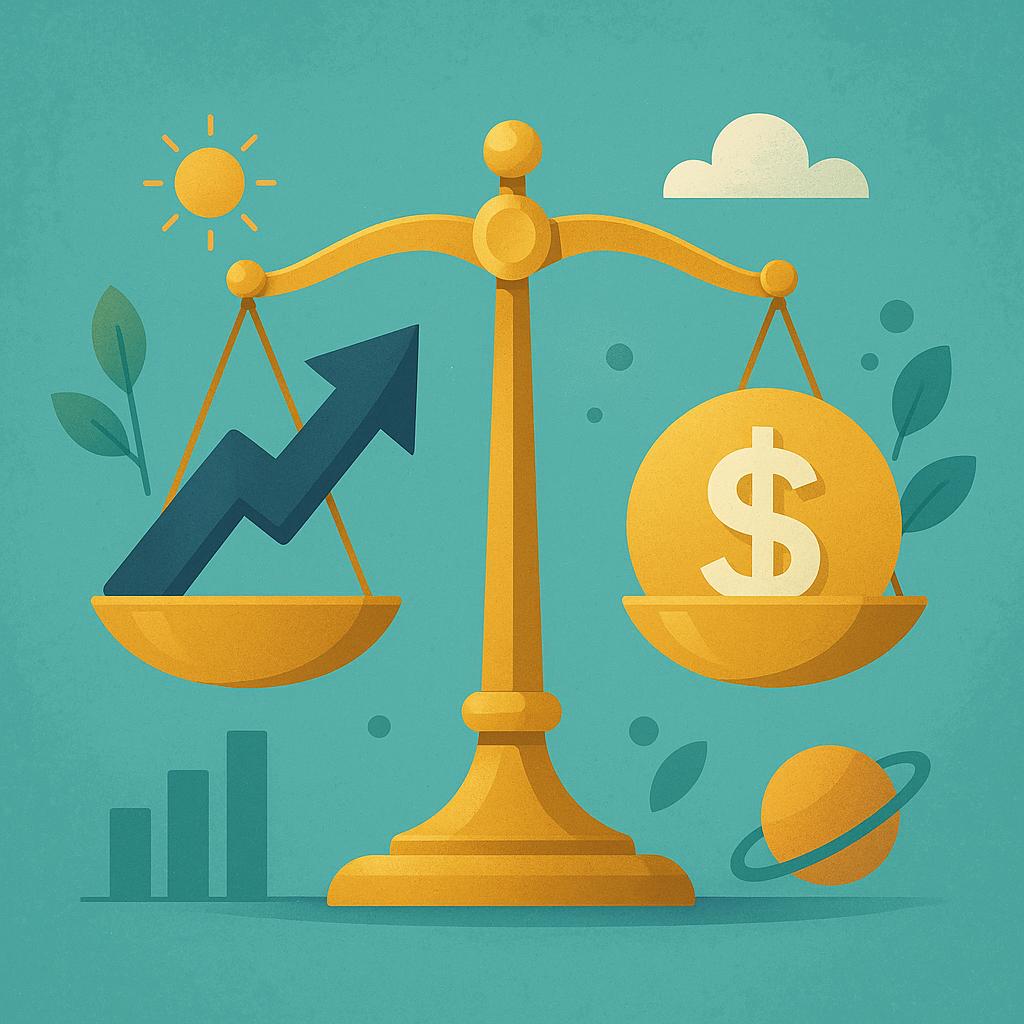
Weighing Benefits Against Alternatives for Smart Borrowing Decisions
Choosing an unsecured business loan means embracing higher interest rates, but it also brings a set of distinct advantages that might align perfectly with your current financial goals. Unlike secured loans, there’s no need to put personal or business assets on the line, which significantly reduces your risk exposure. This freedom can empower a business owner to pursue new opportunities or manage cash flow without the looming threat of asset repossession.
However, smart borrowing demands a thorough comparison against alternative financing options. For instance, lines of credit or invoice financing might offer more flexible repayment terms or lower rates, although they typically require detailed credit checks and collateral. It’s also worth considering whether internal financing—such as reinvesting retained earnings—could support your immediate needs without incurring additional debt.
- Risk tolerance: How comfortable are you with potentially higher repayments?
- Urgency of funds: Unsecured loans often approve faster than traditional bank loans.
- Loan amount vs. cost: Is the premium on interest justified by the loan size?
- Purpose of funds: Certain expenses might justify the cost if they fuel growth.
| Financing Type | Interest Rate | Collateral Required | Typical Approval Time |
|---|---|---|---|
| Unsecured Business Loan | 8% – 15% | No | 1-3 days |
| Secured Business Loan | 4% – 8% | Yes | 1-2 weeks |
| Line of Credit | 7% – 12% | Sometimes | Same day – 3 days |
| Invoice Financing | 6% – 12% | No | 2-5 days |
Q&A
Q&A: Unsecured Business Loans – Are They Worth the Higher Rates?
Q1: What exactly is an unsecured business loan?
A: An unsecured business loan is a kind of financing that doesn’t require you to pledge assets—like property or equipment—as collateral. The lender relies mainly on your business’s creditworthiness and financial history to approve the loan.
Q2: Why do unsecured loans typically carry higher interest rates?
A: Since there’s no collateral backing the loan, the lender assumes more risk. To balance that risk, they charge higher interest rates compared to secured loans, which are safer for the lender.
Q3: So, does the lack of collateral make unsecured loans more appealing despite the cost?
A: It can. For businesses that don’t have valuable assets to pledge or want to avoid risking them, unsecured loans offer a way to access funds. The trade-off is paying a premium in interest and sometimes stricter qualification criteria.
Q4: How can a business decide if an unsecured loan is worth the higher interest?
A: It boils down to weighing urgency and flexibility against cost. If fast cash infusion without collateral is critical, and the business’s cash flow can handle higher repayments, an unsecured loan might make sense. Comparing other financing options is essential to find the best fit.
Q5: Are unsecured loans riskier for the business?
A: While there’s no risk of losing specific assets, businesses must be mindful that defaulting can still damage credit scores and lead to legal consequences. The absence of collateral doesn’t mean absence of responsibility.
Q6: What are common situations where unsecured business loans shine?
A: They’re great for startups without assets, businesses needing quick capital injections without tying up assets, or companies aiming to preserve collateral for other financing avenues.
Q7: Can strong credit reduce the downside of unsecured loan rates?
A: Absolutely. Businesses with excellent credit profiles often secure better interest rates on unsecured loans, narrowing the gap between secured and unsecured costs.
Q8: What alternatives exist if unsecured loans seem too pricey?
A: Options include secured loans, lines of credit, invoice factoring, or even bringing in investors. Each has pros and cons, so thorough research and possibly consulting a financial advisor is wise.
In essence, unsecured business loans offer freedom without collateral but at a premium cost. Whether they’re worth it depends on your unique business needs, financial health, and how much risk you’re willing to shoulder.
To Conclude
In the end, unsecured business loans walk a fine line between opportunity and risk. Their higher rates reflect the lender’s gamble on trust over collateral, offering a lifeline for businesses that need quick access to funds without tying down assets. Whether they are worth the cost depends on your unique financial landscape and long-term goals. By weighing the benefits against the price, you can decide if this riskier route aligns with your vision — or if a more secured path might better support your business’s journey ahead.



Regards for all your efforts that you have put in this. very interesting info .
Thank you so much, Drover! I’m glad you found the information interesting and helpful.