Physical Address
304 North Cardinal St.
Dorchester Center, MA 02124
Physical Address
304 North Cardinal St.
Dorchester Center, MA 02124

Sustainable engineering is reshaping cities, blending innovation with nature to cut carbon footprints. From green buildings to smart grids, it crafts urban spaces where progress meets planet care, forging a cleaner, greener future.
In the heart of every bustling city lies a complex web of infrastructure, energy consumption, and human activity — all contributing to a growing carbon footprint that challenges our planet’s future. Sustainable engineering emerges as a beacon of innovation and responsibility, offering transformative solutions that balance progress with preservation. By reimagining urban design, transportation, and resource management, this field strives to reshape cities into thriving ecosystems where technology and nature coexist harmoniously. This article explores the vital role of sustainable engineering in reducing the carbon emissions of our urban environments, charting a path toward greener, more resilient cities for generations to come.
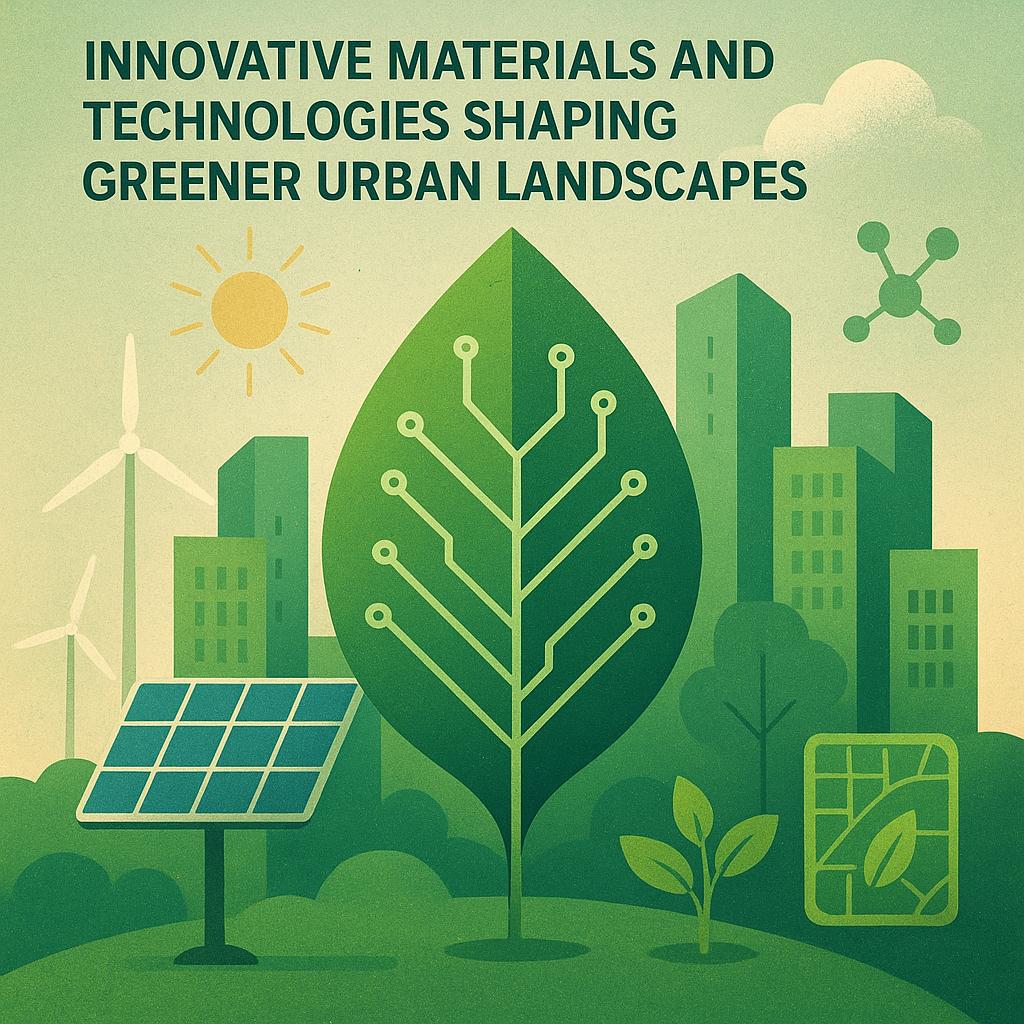
Urban environments are evolving rapidly with the integration of cutting-edge materials designed to lower emissions and enhance sustainability. From bioconcrete that absorbs CO₂ to solar-harvesting pavements, these innovations are redefining how cities blend infrastructure with nature. Such materials do more than just reduce environmental impact—they actively improve air quality and resilience against climate challenges.
Technological advances like smart sensors embedded within green roofs monitor moisture levels and optimize irrigation, dramatically reducing water waste. Meanwhile, 3D-printed building components crafted from recycled plastics and industrial byproducts minimize construction waste, showcasing a circular economy in practice. Cities implementing these technologies experience not only a lighter carbon footprint but also notable improvements in energy efficiency and occupant health.
| Material/Technology | Primary Benefit | Example Application |
|---|---|---|
| Bioconcrete | Carbon sequestration | Building facades and sidewalks |
| Solar Pavements | Renewable energy generation | Public plazas and bike paths |
| 3D-Printed Recycled Polymers | Waste reduction | Modular housing units |
| Smart Green Roofs | Water conservation | Urban office buildings |

Harnessing renewable energy to fuel urban environments requires more than just installing solar panels or wind turbines. It demands an intelligent, integrated energy system that can dynamically balance supply and demand while minimizing losses. Innovations in smart grid technology, energy storage, and distributed generation are the cornerstones of transforming cities into resilient, low-carbon hubs. These advances enable cities to orchestrate diverse energy inputs—solar, wind, geothermal—and optimize their distribution to where energy is needed most, reducing waste and enhancing efficiency.
One powerful approach involves real-time energy management systems that use advanced sensors and AI algorithms. These systems forecast energy availability and consumption patterns with precision, allowing for predictive adjustments that smooth out fluctuations in renewable sources. Coupled with decentralized battery storage and electric vehicle integration, energy is stored when abundant and dispatched during peak demand, ensuring a constant and reliable supply.
Another key strategy is fostering microgrids within city districts. These localized grids can operate autonomously or connect to the main grid, increasing flexibility and reducing the risk of widespread outages. Microgrids can integrate various renewables, improving resilience while tailoring energy solutions to the unique needs of neighborhoods, industrial areas, or public spaces.
| Technology | Function | Impact |
|---|---|---|
| Smart Grid | Dynamic energy distribution | Improves efficiency by 20% |
| Energy Storage | Stores surplus renewable energy | Reduces reliance on fossil fuels |
| Microgrids | Localized energy systems | Enhances resilience and autonomy |
| V2G Technology | EVs as energy suppliers | Balances grid demand |

Every city is an intricate ecosystem where infrastructure acts as its backbone, shaping the interaction between human activity and the environment. To foster true sustainability, urban planners and engineers must pivot from traditional designs to innovative systems that prioritize resilience and low carbon output. This means not only reducing emissions through green technology but also ensuring infrastructure adapts seamlessly to future environmental and societal challenges.
Central to this transformation is the integration of smart materials and eco-conscious engineering principles. For example, permeable pavements reduce stormwater runoff, while green roofs insulate buildings and cultivate biodiversity. Together with energy-efficient public transit and renewable energy grids, these solutions form a robust network that supports urban life, while minimizing ecological impact.
| Infrastructure Element | Sustainability Feature | Benefit |
|---|---|---|
| Smart Grids | Real-time energy optimization | Lower carbon emissions, reduced power waste |
| Green Roofs | Vegetative coverage & insulation | Temperature regulation, improved air quality |
| Permeable Pavements | Enhanced water absorption | Reduced flooding, groundwater recharge |

Incorporating verdant green spaces within urban environments offers a dual benefit: naturally filtering air pollutants while sequestering carbon dioxide. Trees, parks, and green roofs act as lungs for the city, reducing the urban heat island effect and promoting cooler, cleaner atmospheres. Beyond aesthetics, strategically planted vegetation forms living buffers against noise and dust, creating more breathable neighborhoods where people thrive.
Smart design amplifies these green benefits by harnessing technology and nature in harmony. Sensor networks monitor air quality in real time, guiding adaptive urban lighting and ventilation systems to optimize energy use without compromising comfort. Buildings equipped with green walls and solar panels become miniature ecosystems, contributing actively to carbon footprint reduction while fostering biodiversity.
Consider the following integrated design elements that enhance urban sustainability:
| Design Feature | Impact on Carbon Reduction | Effect on Air Quality |
|---|---|---|
| Green Roofs | Absorb ~15% of building CO2 emissions | Trap dust and particulate matter |
| Urban Trees | Sequester up to 10 tons CO2/year per hectare | Increase oxygen levels by 5% |
| Smart Ventilation | Reduce HVAC energy use by 20% | Optimize fresh air intake, lowering indoor pollutants |
Q&A: Sustainable Engineering – Reducing the Carbon Footprint of Cities
Q1: What is sustainable engineering, and why is it crucial for modern cities?
A1: Sustainable engineering refers to the design, construction, and operation of infrastructure with minimal environmental impact, prioritizing resource efficiency and long-term ecological balance. In modern cities, it’s crucial because urban areas consume vast amounts of energy and materials, generating significant carbon emissions. Sustainable engineering helps cities reduce their carbon footprints, curb pollution, and create healthier living environments.
Q2: How do sustainable engineering practices directly impact a city’s carbon footprint?
A2: Sustainable engineering reduces carbon footprints by incorporating renewable energy sources, optimizing building designs for energy efficiency, utilizing green materials, and improving waste management. For example, integrating solar panels on rooftops, using energy-efficient lighting and HVAC systems, and promoting urban green spaces all contribute to lowering the greenhouse gases emitted by city infrastructure.
Q3: What role does urban planning play in sustainable engineering?
A3: Urban planning is integral to sustainable engineering because it shapes how cities grow and function. Thoughtful planning can minimize travel distances, promote public transit, and create mixed-use neighborhoods where people live close to work and amenities. This reduces reliance on cars, thereby lowering emissions. Additionally, well-planned green spaces and water management systems enhance environmental resilience.
Q4: Can sustainable engineering retrofit existing urban infrastructure, or is it mostly about new developments?
A4: Sustainable engineering applies to both new projects and the retrofit of existing infrastructure. While new developments offer a clean slate for incorporating cutting-edge green technologies, retrofitting older buildings and transportation systems is essential since many cities are already built. Upgrading insulation, installing energy-efficient windows, and improving mass transit networks are ways to reduce an existing city’s carbon footprint.
Q5: What innovations are shaping the future of sustainable engineering in cities?
A5: Innovations such as smart grids, energy storage technologies, and advanced materials like self-healing concrete are transforming sustainable urban design. The rise of digital tools like AI-driven energy management systems allows for real-time optimization of resource use. Additionally, green infrastructure, such as living walls and permeable pavements, helps manage stormwater and lower urban heat islands, further cutting emissions.
Q6: How can citizens engage with and support sustainable engineering efforts?
A6: Citizens can support sustainable engineering by advocating for green policies, choosing energy-efficient appliances, using public or active transportation, and participating in community planning initiatives. Embracing behaviors like waste reduction and supporting renewable energy projects also drive demand for sustainable urban solutions. Public involvement ensures that engineering efforts align with community needs and values.
Q7: What challenges do engineers and city planners face in reducing urban carbon footprints?
A7: Challenges include balancing economic growth with environmental goals, upgrading aging infrastructure without disrupting city life, securing funding for green projects, and overcoming regulatory hurdles. Additionally, addressing social equity is vital so that sustainability benefits reach all residents, not just affluent neighborhoods. Engineers must innovate within these constraints while fostering collaboration across disciplines.
Q8: Why is it essential to view sustainable engineering as an ongoing process rather than a one-time solution?
A8: Urban ecosystems are dynamic, continually affected by population growth, climate change, and technological advances. Sustainable engineering is an ongoing process because cities must adapt to new challenges and opportunities over time. Continuous assessment, innovation, and community engagement ensure that efforts remain effective and responsive, ultimately leading to resilient, low-carbon urban environments.
As cities continue to grow and evolve, the path toward sustainability becomes not just a choice, but a necessity. Sustainable engineering offers a powerful toolkit—melding innovation with responsibility—to reshape urban landscapes into thriving, low-carbon communities. By reimagining infrastructure, energy use, and resource management, we can craft cities that breathe in harmony with the planet. The journey to reduce urban carbon footprints is complex, yet filled with promise, reminding us that the future of our cities depends on the choices we engineer today.