
In a world where nature paints its masterpieces with unmatched brilliance, few creatures rival the vibrant spectacle of colorful birds. From the shimmering feathers of tropical parrots to the dazzling hues of rainforest birds-of-paradise, these avian wonders are living rainbows in flight. Their vivid plumage not only captivates our eyes but also tells stories of evolution, survival, and communication. Join us as we explore some of the most colorful birds across the globe, uncovering the beauty and mystery behind their extraordinary palettes.
Table of Contents
- The Brilliant Palette of Rainforest Residents
- Exploring the Science Behind Vibrant Plumage
- Habitat Highlights and Conservation Efforts
- Tips for Birdwatching Enthusiasts Seeking Colorful Encounters
- Q&A
- Concluding Remarks
The Brilliant Palette of Rainforest Residents
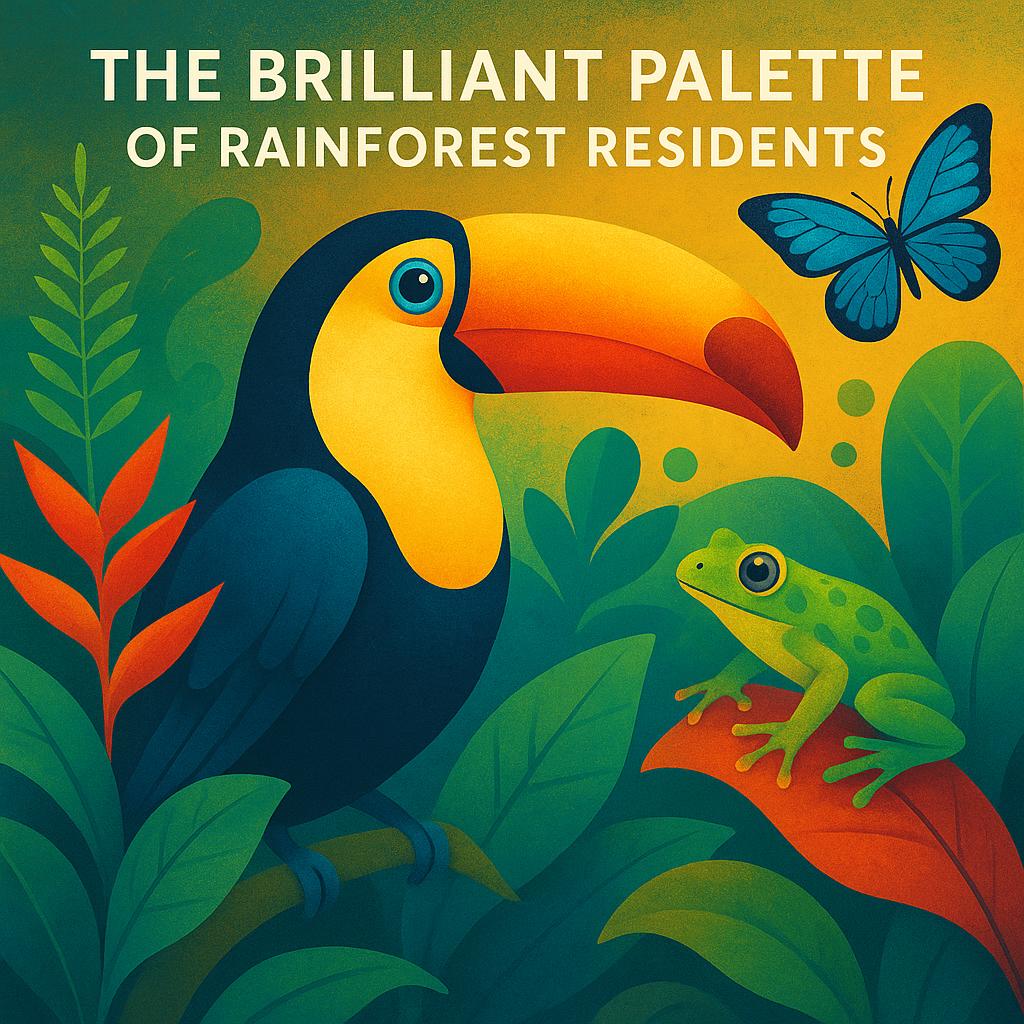
Deep within the verdant embrace of the rainforest, colors burst forth in extraordinary fashion. This vibrant ecosystem is home to some of the most dazzling avian masterpieces, whose feathers seem to capture the very essence of the jungle’s spirit. From iridescent blues that shimmer beneath the canopy to fiery reds that blaze like jungle flames, these birds are living palettes of nature’s finest pigments.
Among these visual wonders, certain species stand out for their vivid contrasts and unique patterns. The Resplendent Quetzal, with its glowing green plumage and ruby-red breast, appears almost ethereal as it flits through the mist. Meanwhile, the Scarlet Macaw flaunts a spectacular mosaic of red, yellow, and blue, making it impossible to overlook as it squawks above the treetops.
- Toucan: A bold splash of colors with a beak that rivals the petals of rare tropical flowers.
- Harpy Eagle: Majestic grays and blacks that camouflage perfectly against the shadowed canopy.
- Green Jay: A lively mix of emerald, turquoise, and yellow that glistens with every move.
| Species | Dominant Colors | Unique Feature |
|---|---|---|
| Harlequin Quail | Orange, Black, White | Camouflaged face pattern |
| Wilson’s Bird-of-Paradise | Electric Blue, Yellow, Green | Vivid iridescence on head |
| Guianan Cock-of-the-rock | Fiery Orange | Distinctive fan-shaped crest |

Exploring the Science Behind Vibrant Plumage
At the heart of a bird’s mesmerizing colors lies a complex interplay of biology and physics. Unlike paint, which relies on pigments alone, bird feathers achieve their dazzling hues through structural coloration. Microscopic structures within the feathers manipulate light, causing it to scatter and refract in ways that produce iridescence and vivid shades far beyond simple pigment blends.
Two primary mechanisms contribute to the spectacle:
- Pigment-based colors: Carotenoids produce reds, oranges, and yellows, obtained mainly via diet.
- Structural colors: Nano-scale feather structures absorb and reflect light selectively, yielding blues, greens, and shimmering metallic sheens.
Interestingly, many birds combine both methods, resulting in dynamic color effects that can change with the angle of light or the bird’s movement. This biological ingenuity isn’t just for show—it plays a vital role in communication, mate selection, and camouflage.
| Color Type | Source | Examples of Birds |
|---|---|---|
| Carotenoid Pigments | Dietary intake | Flamingos, Cardinals |
| Structural Colors | Feather nanostructures | Blue Jays, Birds of Paradise |
| Combination | Both pigment & structure | Peacocks, Hummingbirds |
Habitat Highlights and Conservation Efforts
Many of these vibrant avian species thrive in tropical and subtropical regions, where dense forests and lush canopies create a kaleidoscope of color and life. From the Amazonian rainforests to the diverse islands of the Pacific, these habitats not only provide shelter but also a rich tapestry of food sources such as fruits, nectar, and insects essential to sustaining their brilliant plumage.
Key habitats include:
- Lowland rainforests with high humidity and dense foliage.
- Mountain cloud forests where mists support a unique ecosystem.
- Coastal mangroves offering a rich feeding ground and breeding area.
- Island archipelagos boasting endemic species with vivid adaptations.
Conservation efforts have become increasingly vital to preserve these colorful jewels amidst escalating threats such as deforestation, climate change, and illegal wildlife trade. Organizations worldwide collaborate to protect habitats, enforce anti-poaching laws, and engage local communities in sustainable practices. Breeding programs and habitat restoration projects are also making strides in preventing further declines.
| Conservation Strategy | Target Species | Impact |
|---|---|---|
| Habitat Restoration | Resplendent Quetzal, Rainbow Lorikeet | Reversed habitat loss by 30% |
| Local Community Education | Birds of Paradise, Scarlet Macaw | Reduced poaching by 45% |
| Captive Breeding Programs | Hyacinth Macaw, Kingfisher | Increased population viability |
Protecting these birds and their environments ensures not only the survival of spectacular colors and patterns but also the health and balance of ecosystems worldwide. Every effort counts in weaving a future where these avian masterpieces continue to flourish in harmony with nature.
Tips for Birdwatching Enthusiasts Seeking Colorful Encounters
For those passionate about witnessing nature’s vibrant palette firsthand, preparation is key. Start by researching the habitats where these dazzling birds thrive. Tropical rainforests, wetlands, and mountainous regions often serve as a backdrop for some of the most spectacular plumage displays. Timing your visits to coincide with the birds’ breeding seasons or migration periods can amplify your chances of observing brilliant courtship rituals and unique color shifts.
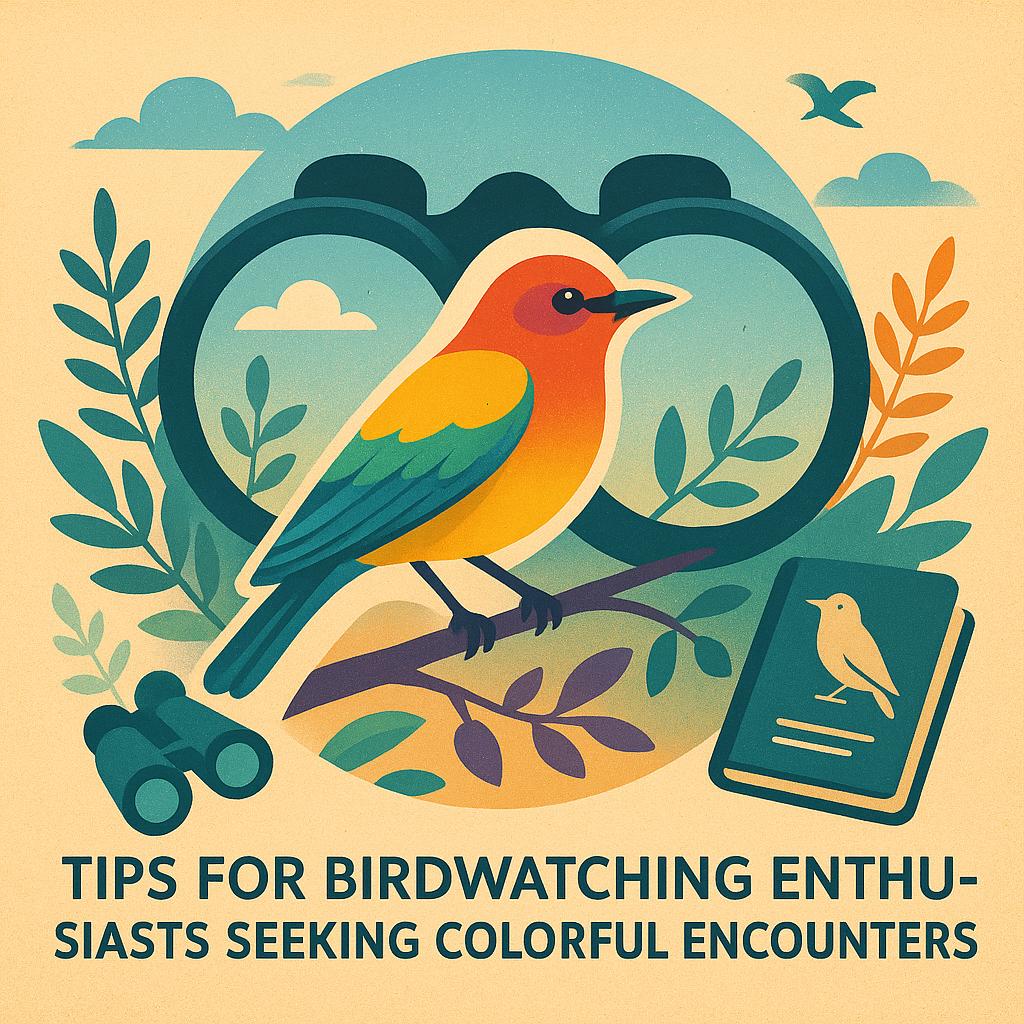
Equip yourself wisely. A pair of high-quality binoculars with good color fidelity will bring out the subtle hues in feathers that cameras sometimes miss. Consider lightweight gear that allows for extended periods of observation without fatigue. Don’t forget a field guide packed with vivid illustrations or photos to help with identification on the fly.
- Carry a small notebook for jotting down interesting behaviors or new species spotted
- Use apps specialized in bird calls to attract elusive colorful species
- Wear neutral-colored clothing to blend seamlessly into the natural environment
Embracing patience often yields the most rewarding encounters. Colorful birds are sometimes shy and sensitive to movement, so quiet observation and slow, deliberate actions can make all the difference. Additionally, learning to read the environment—such as recognizing flowering trees that attract certain birds—can transform your watchlist from common to extraordinary. With these mindful strategies, your vibrant birdwatching adventures will be bursting with unforgettable chromatic treasures.
Q&A
Q: What makes a bird “colorful”?
A: A bird is considered colorful when it displays a vivid and often striking combination of feathers in various hues. These colors can range from brilliant reds and blues to iridescent greens and yellows, often serving purposes like attracting mates, camouflage, or signaling.
Q: Which bird holds the title for being the most colorful in the world?
A: While opinions vary, the Rainbow Lorikeet is frequently celebrated as one of the most colorful birds. Its plumage boasts a spectacular array of bright greens, blues, oranges, yellows, and reds that create a living rainbow.
Q: Are colorful birds only found in tropical regions?
A: Many of the most vibrantly colored birds do thrive in tropical climates due to the abundance of resources that support complex plumage. However, colorful birds can be found in diverse habitats globally, including temperate zones and even some arid areas.
Q: Why do birds have such vivid colors?
A: Vivid colors can serve multiple purposes: attracting mates through visual displays, deterring predators by signaling toxicity, or helping with camouflage in complex environments like dense forests or colorful flowers.
Q: How do birds achieve these brilliant colors?
A: Bird colors come from pigments in their feathers, such as melanins and carotenoids, and from microscopic feather structures that refract light to create iridescence. The combination of pigments and structural coloration produces the dazzling effects seen in species like the peacock or hummingbird.
Q: Can the color of a bird change over its lifetime?
A: Yes, some birds undergo changes in plumage as they mature or during breeding seasons. For example, male birds often develop brighter feathers to attract mates, while females might retain more subdued shades for camouflage.
Q: What are some other famous colorful birds besides the Rainbow Lorikeet?
A: Some other iconic colorful birds include the Scarlet Macaw with its brilliant reds and blues, the Resplendent Quetzal adorned in shimmering greens, and the Wilson’s Bird-of-Paradise, known for its eye-popping combination of electric blues and reds.
Q: How can birdwatchers spot these colorful birds in the wild?
A: Observing colorful birds often requires visiting their natural habitats such as tropical forests, wetlands, or mountainous regions. Patience, quiet observation, and sometimes a pair of binoculars or a camera with zoom capabilities can enhance the birdwatching experience.
Q: Are colorful birds threatened by environmental changes?
A: Many colorful birds face threats like habitat loss, climate change, and illegal pet trade. Protecting their environments and enforcing wildlife laws are crucial steps to ensuring these vibrant species continue to thrive.
Q: Why is it important to celebrate the diversity of colorful birds?
A: Colorful birds enrich ecosystems, inspire human wonder, and contribute to biodiversity. Celebrating their beauty encourages conservation efforts and deepens our connection with the natural world.
Concluding Remarks
As we close the chapter on this vibrant journey through the world’s most colorful birds, we are reminded that nature’s palette is as boundless as it is breathtaking. These feathered gems not only dazzle with their hues but also inspire a deeper appreciation for the diversity and beauty that exists beyond our everyday view. Whether glimpsed in a rainforest canopy or captured in a photograph, the brilliance of these birds invites us to pause, marvel, and celebrate the kaleidoscope of life that colors our planet.



0 Comments