
As the hum of autonomous vehicles begins to echo through city streets, urban planners face an unprecedented challenge: how to shape our cities not just for today’s traffic, but for a future where drivers may be optional. Future-proofing city planning for autonomous vehicles means reimagining infrastructure, policy, and public spaces in ways that embrace innovation without compromising livability. This article explores the strategies and considerations essential for building urban environments ready to navigate the autonomous revolution, ensuring that tomorrow’s cities remain efficient, inclusive, and resilient in the face of rapid technological change.
Table of Contents
- Rethinking Urban Infrastructure to Accommodate Autonomous Mobility
- Integrating Smart Technology for Real Time Traffic Optimization
- Designing Inclusive Policies to Support Equitable Access and Safety
- Building Adaptive Frameworks for Scalability and Future Innovations
- Q&A
- Insights and Conclusions
Rethinking Urban Infrastructure to Accommodate Autonomous Mobility
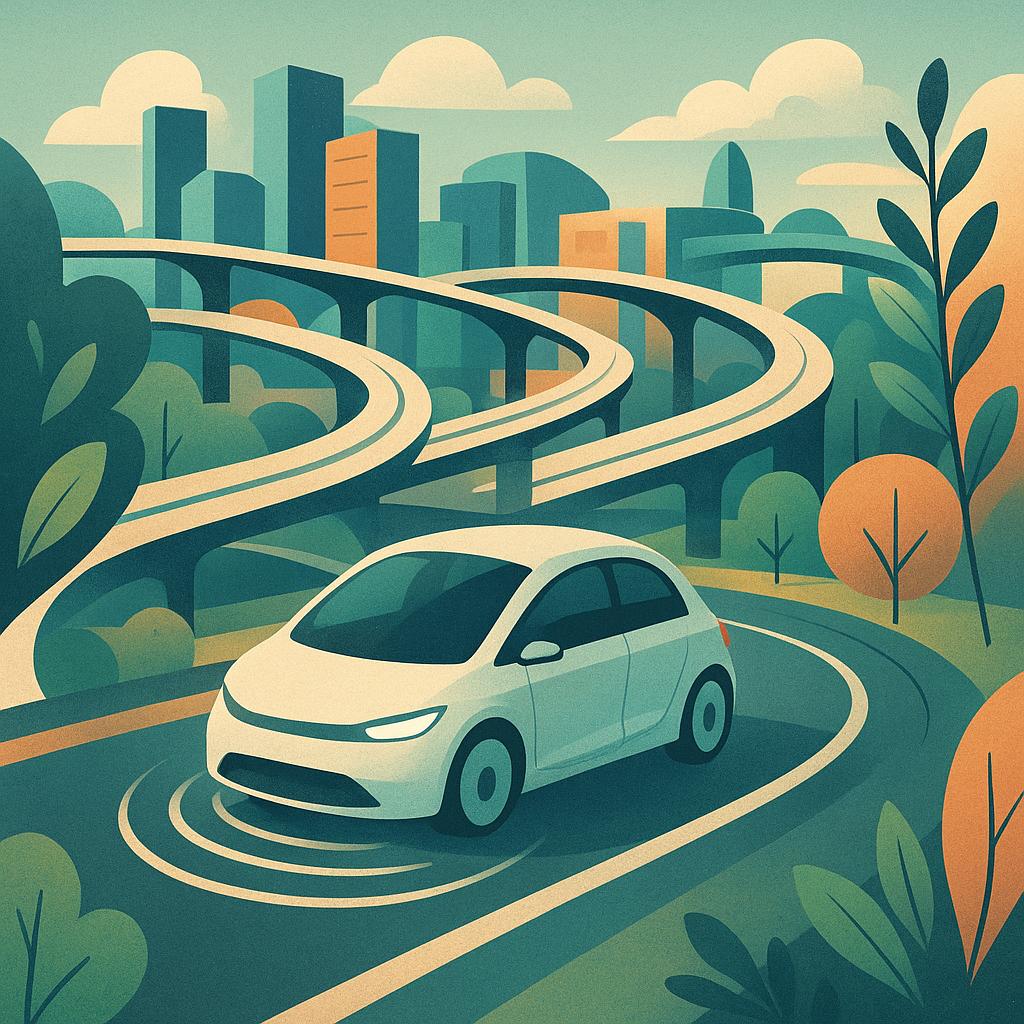
Emerging autonomous technologies demand a fundamental transformation in how cities are designed and managed. Traditional urban infrastructure, built around human drivers and static traffic patterns, often falls short when faced with self-driving vehicles that require dynamic communication, real-time data exchange, and seamless integration with smart systems. To truly embrace autonomous mobility, urban planners must look beyond simple road expansions or traffic signal upgrades, shifting towards flexible and adaptive frameworks that can evolve alongside technological advancements.
Key components of this transformation include the widespread deployment of connected sensor networks, which enable vehicles to “see” and communicate with their surroundings for enhanced safety and efficiency. Smart intersections, adaptive lane markings visible to vehicle sensors, and dedicated corridors for autonomous fleets could redefine traffic flow and reduce congestion dramatically. Importantly, these changes must prioritize the human experience, ensuring pedestrian safety and maintaining accessibility for all citizens.
Below is an overview of infrastructural elements that urban designers need to consider for supporting autonomous mobility:
- High-definition mapping systems embedded throughout urban corridors
- Vehicle-to-Infrastructure (V2I) communication protocols integrated into traffic signals and signs
- Modular road designs allowing quick reconfiguration to accommodate shifting traffic demands
- Enhanced cybersecurity measures protecting networks that control vehicle guidance and city services
For a more structured comparison, the following table highlights traditional versus autonomous-ready urban infrastructure features:
| Feature | Traditional Infrastructure | Autonomous-Ready Infrastructure |
|---|---|---|
| Traffic Control | Fixed signal timings | Adaptive, real-time signal control via V2I |
| Lane Markings | Paint-based, wear prone | Sensor-visible, dynamic markings |
| Data Connectivity | Limited to traditional traffic cameras | Integrated 5G networks for continuous data exchange |
| Roadway Design | Static layouts | Modular, adaptable configurations |
Integrating Smart Technology for Real Time Traffic Optimization
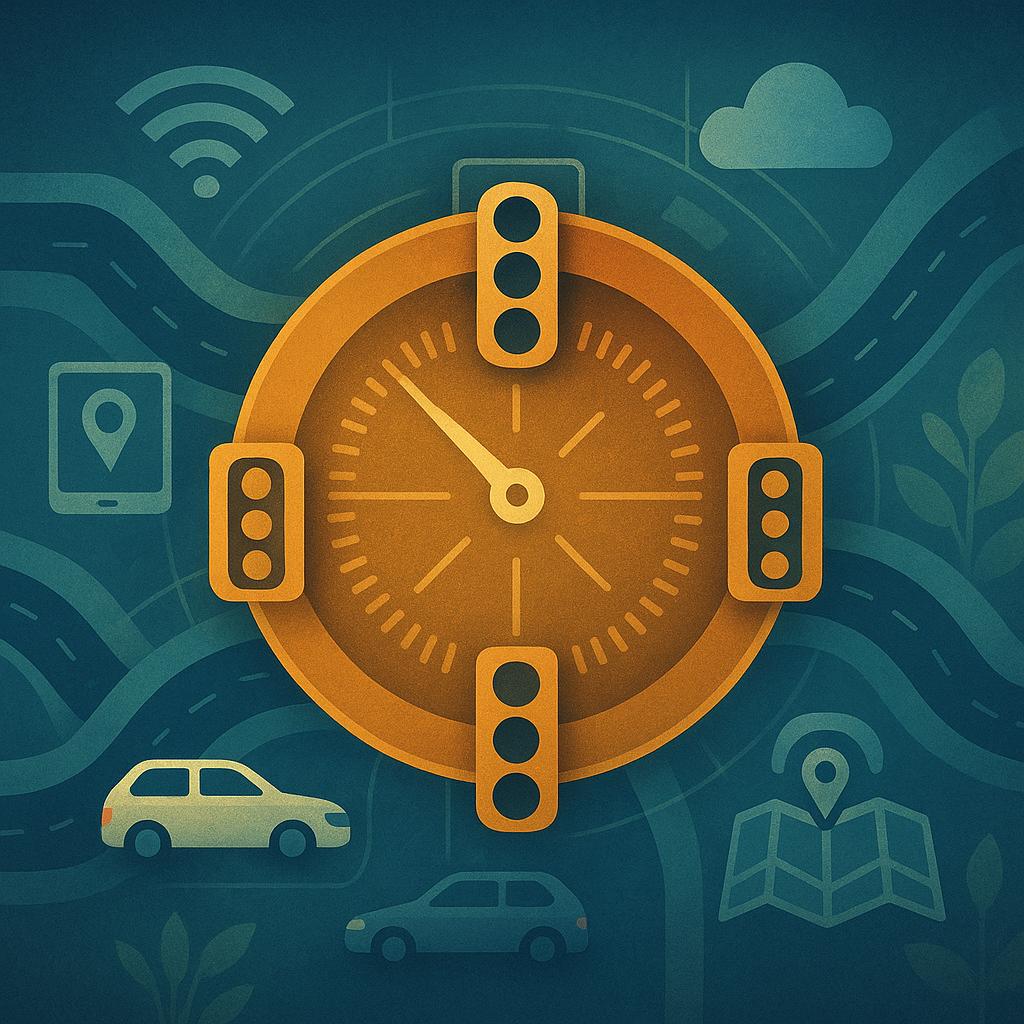
Harnessing the power of AI and IoT devices, urban planners can create a dynamic traffic ecosystem that adjusts in real time to fluctuating conditions. Smart sensors embedded in roadways, vehicles, and traffic signals collaborate to collect and analyze data instantaneously, enabling immediate response to congestion, accidents, or road work. This continuous feedback loop reduces delays and enhances the overall flow of autonomous traffic.
One key strategy involves deploying adaptive traffic signals that communicate directly with autonomous vehicles (AVs). These signals can alter light cycles based on actual traffic density rather than pre-set timers, prioritizing main arteries during peak hours and easing flow on side streets during lulls. This adaptive behavior minimizes stop-and-go motion, decreasing carbon emissions and improving commute times simultaneously.
- Real-time data exchange between vehicles and infrastructure for responsive route adjustments
- Integration of edge computing to process and act on traffic patterns instantaneously
- Use of predictive analytics to anticipate congestion before it accumulates
| Component | Function | Benefit |
|---|---|---|
| Smart Traffic Signals | Adaptive light timing based on real-time data | Reduced congestion and smoother flow |
| Vehicle-to-Infrastructure (V2I) | Direct communication between AVs and road systems | Improved safety and optimized routing |
| Edge Computing Nodes | Fast processing of traffic data close to source | Lower latency in traffic management |

Designing Inclusive Policies to Support Equitable Access and Safety
Crafting policies that embrace inclusivity in the age of autonomous vehicles requires more than just technical consideration—it demands empathy, foresight, and a commitment to social equity. When regulations prioritize equitable access, they ensure that the benefits of AV technology reach every community, regardless of socioeconomic status, age, or physical ability. This means designing frameworks that eliminate barriers to entry, such as cost or digital literacy, and fostering environments where safe, reliable mobility becomes a universal right rather than a privilege.
Key principles for inclusive policy formulation include:
- Accessibility: Mandating vehicle designs and infrastructure modifications that accommodate passengers with disabilities or limited mobility.
- Affordability: Creating subsidies or tiered pricing models to make autonomous ride-sharing services financially attainable for underserved populations.
- Community Engagement: Inviting diverse stakeholders into the dialogue to ensure local concerns and cultural nuances shape policy outcomes.
- Data Privacy and Security: Protecting vulnerable users from surveillance risks and ensuring transparency in data usage.
Consider the following comparative approach to safety standards and accessibility initiatives adopted in forward-thinking municipalities:
| City | Accessibility Features | Safety Protocols | Community Programs |
|---|---|---|---|
| Metroville | Wheelchair-friendly curb cuts, audible signals | Real-time hazard alerts, emergency stop systems | Monthly workshops with disabled residents |
| EcoHaven | Low-cost subscription plans, smartphone tutorials | Pedestrian detection tech, AI-driven speed limits | Inclusive transit task force |
| Urbanis | Multilingual support kiosks, sensory-friendly vehicles | Automatic incident reporting, crowd-sourced safety reviews | Neighborhood mobility ambassadors |
Embedding inclusivity into policy not only elevates safety standards but also cultivates trust between citizens and autonomous systems. By anticipating diverse user needs and securing equitable access, city planners and legislators build a resilient urban future where technology serves as a bridge rather than a barrier.
Building Adaptive Frameworks for Scalability and Future Innovations
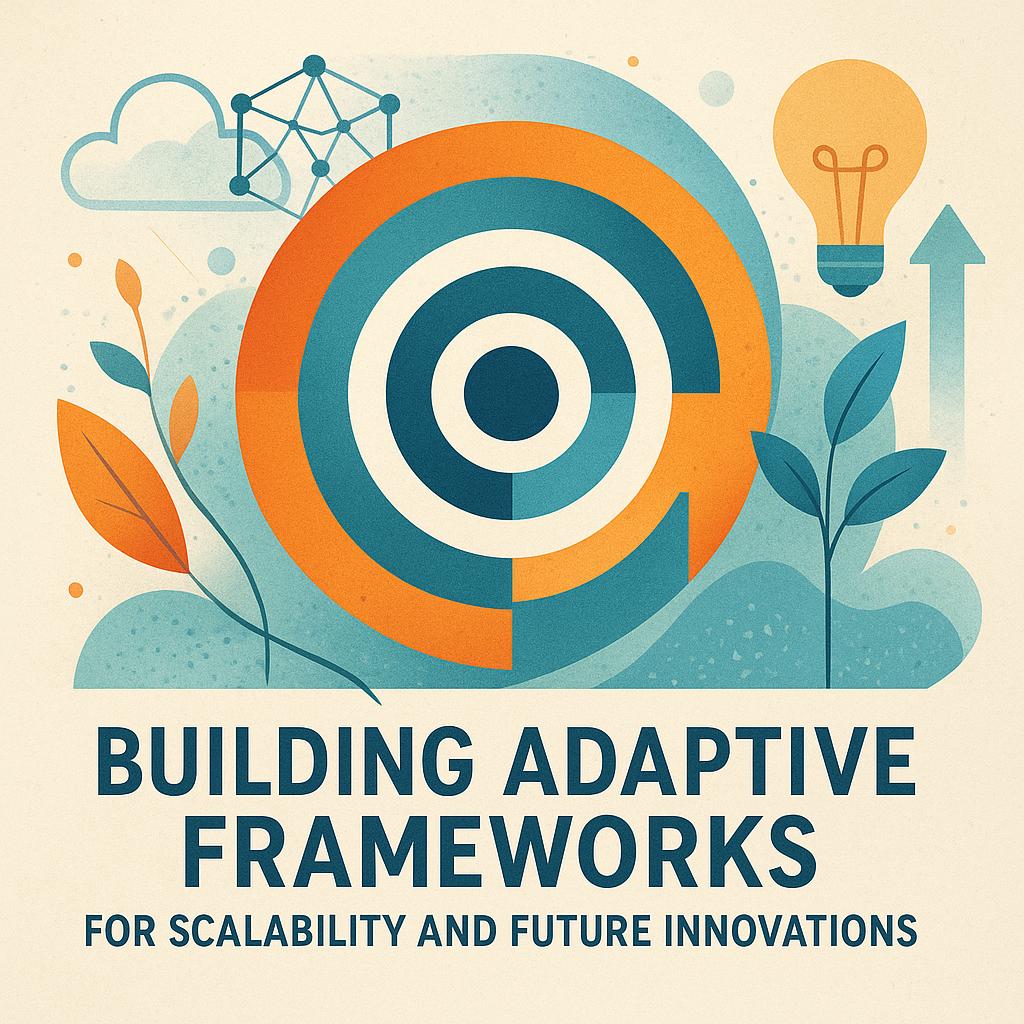
Creating a resilient foundation for future urban mobility means embracing modularity and flexibility in city infrastructure. Adaptive frameworks allow planners to respond dynamically as autonomous vehicle technologies evolve, ensuring seamless integration rather than costly retrofits. This involves designing multi-layered transportation networks that can support emerging transit modes while maintaining legacy systems.
Key to this adaptability is leveraging advanced data ecosystems that feed real-time insights into traffic flow, infrastructure usage, and environmental impact. Cities can then deploy intelligent algorithms to optimize routing, minimize congestion, and prioritize safety. Incorporating open data standards ensures interoperability between various autonomous vehicle manufacturers and municipal systems, creating a unified, scalable network.
Consider the balance of physical and digital infrastructure, supported by a future-proof governance model. Distributed edge computing nodes combined with cloud coordination allow localized rapid response while maintaining global oversight. Meanwhile, policy frameworks that encourage innovation, protect user privacy, and foster public-private partnerships will catalyze sustained scalability and resilience.
- Scalable sensor networks: Facilitating continuous environment scanning with upgrade paths.
- Flexible lane configurations: Enabling dynamic allocation between autonomous and human-driven vehicles.
- Data privacy safeguards: Embedding secure protocols to maintain public trust.
- Collaborative governance: Integrating stakeholders from tech innovators to city officials.
| Component | Function | Scalability Feature |
|---|---|---|
| Adaptive Traffic Lights | Dynamic signal adjustment | AI-driven timing algorithms |
| Smart Road Sensors | Monitor vehicle flow & conditions | Modular sensor upgrades |
| Cloud Traffic Management | Centralized data processing | Expand with demand spikes |
| Edge Computing Nodes | Local real-time decision-making | Distributed deployment model |
Q&A
Q&A: How to Future-Proof City Planning for Autonomous Vehicles
Q1: What does it mean to future-proof city planning for autonomous vehicles (AVs)?
A: Future-proofing city planning means designing urban environments today that can seamlessly integrate and adapt to the widespread adoption of autonomous vehicles tomorrow. It involves anticipating the technological, social, and infrastructural changes AVs will bring to ensure cities remain efficient, safe, and livable as transportation evolves.
Q2: Why is it important to consider autonomous vehicles in current city planning?
A: Autonomous vehicles promise to revolutionize mobility by reducing accidents, easing congestion, and changing travel behavior. Planning without considering them could lead to outdated infrastructure, missed opportunities for improved urban living, and costly retrofits. Integrating AV considerations now helps cities stay ahead of disruptive changes.
Q3: What are the key infrastructure changes cities should make to accommodate AVs?
A: Cities should update road markings and signage to be AV-friendly, deploy smart traffic signals communicating with vehicles in real time, create dedicated lanes or zones for AVs, and enhance connectivity through widespread 5G or dedicated short-range communication (DSRC) networks. Additionally, redesigning parking with fewer lots and more shared spaces anticipates reduced parking demand.
Q4: How can cities balance the needs of autonomous vehicles with pedestrians and cyclists?
A: Planners must create multi-modal transportation ecosystems where AVs coexist safely with pedestrians and cyclists. This means designing wider sidewalks, protected bike lanes, and pedestrian priority zones, while embedding AV detection systems that recognize and react to non-vehicular traffic. Safety should remain paramount, ensuring AVs enhance rather than hinder urban accessibility.
Q5: What role does data and technology play in future-proofing city planning for AVs?
A: Data is the backbone of AV integration. Cities should invest in sensors, IoT devices, and data platforms that monitor traffic patterns, AV performance, and infrastructure health. Leveraging this data enables dynamic traffic management, predictive maintenance, and continuous urban design optimization tailored for autonomous mobility.
Q6: Could future-proofing for AVs reduce or increase urban sprawl?
A: That’s a complex question. On one hand, AVs could encourage sprawl by making longer commutes less stressful. On the other, by optimizing ride-sharing and traffic flow, they might promote denser, transit-oriented developments. City planning must carefully guide AV infrastructure to support sustainable growth rather than unchecked expansion.
Q7: How should policymakers address equity while integrating AVs into city planning?
A: Equity must be central—ensuring autonomous technologies don’t exclude low-income or marginalized communities. This means planning affordable, accessible AV services, investing in public transit integration, and engaging diverse stakeholders in decision-making. Future-proofing is not just technical but a social endeavor to create inclusive urban mobility.
Q8: What is the timeline cities should consider for AV integration?
A: While full autonomy is still unfolding, many experts suggest significant AV presence within the next decade. Therefore, city planners should begin incorporating flexible designs and pilot projects immediately, allowing infrastructure to evolve incrementally with technology advancements and public acceptance.
Q9: Can cities completely redesign themselves for AVs now, or is phased adaptation better?
A: Phased adaptation tends to be more practical and cost-effective. AV technology is rapidly evolving, so rigid redesigns could become obsolete quickly. Implementing adaptable infrastructure—like modular road elements and software-upgradable traffic systems—allows cities to iterate and innovate as the AV landscape matures.
Q10: What is the ultimate goal in future-proofing cities for autonomous vehicles?
A: The ultimate goal is to foster urban environments where autonomous vehicles enhance mobility, reduce environmental impact, improve safety, and uplift quality of life. By thoughtfully planning today, cities can harness AVs to create smarter, more resilient, and more human-centered communities tomorrow.
Insights and Conclusions
As autonomous vehicles steer us toward a new horizon, the blueprint of our cities must evolve in tandem. Future-proofing urban planning isn’t just about accommodating technology—it’s about envisioning communities where innovation and humanity move forward together. By embracing flexibility, prioritizing sustainability, and fostering inclusive design, we can build cities that not only welcome autonomous vehicles but also enhance quality of life for all residents. The road ahead is uncharted, but with thoughtful planning, our urban landscapes can navigate this transformation with resilience and grace.



0 Comments