
As cities evolve and communities seek new ways to connect, the architecture of public spaces is undergoing a profound transformation. In 2026, the design of parks, plazas, and communal areas reflects more than just aesthetic ambition; it embodies a response to environmental challenges, technological advancements, and shifting social dynamics. This article explores the emerging trends shaping the future of public spaces—where innovation meets inclusivity, and where structure and nature converge—to create environments that are not only functional but also inspiring and resilient.
Table of Contents
- Emerging Materials Shaping Sustainable Public Environments
- Integrating Technology to Enhance User Interaction and Accessibility
- Design Strategies for Inclusive and Adaptive Public Spaces
- Balancing Aesthetics and Functionality in Urban Landscape Architecture
- Q&A
- The Way Forward
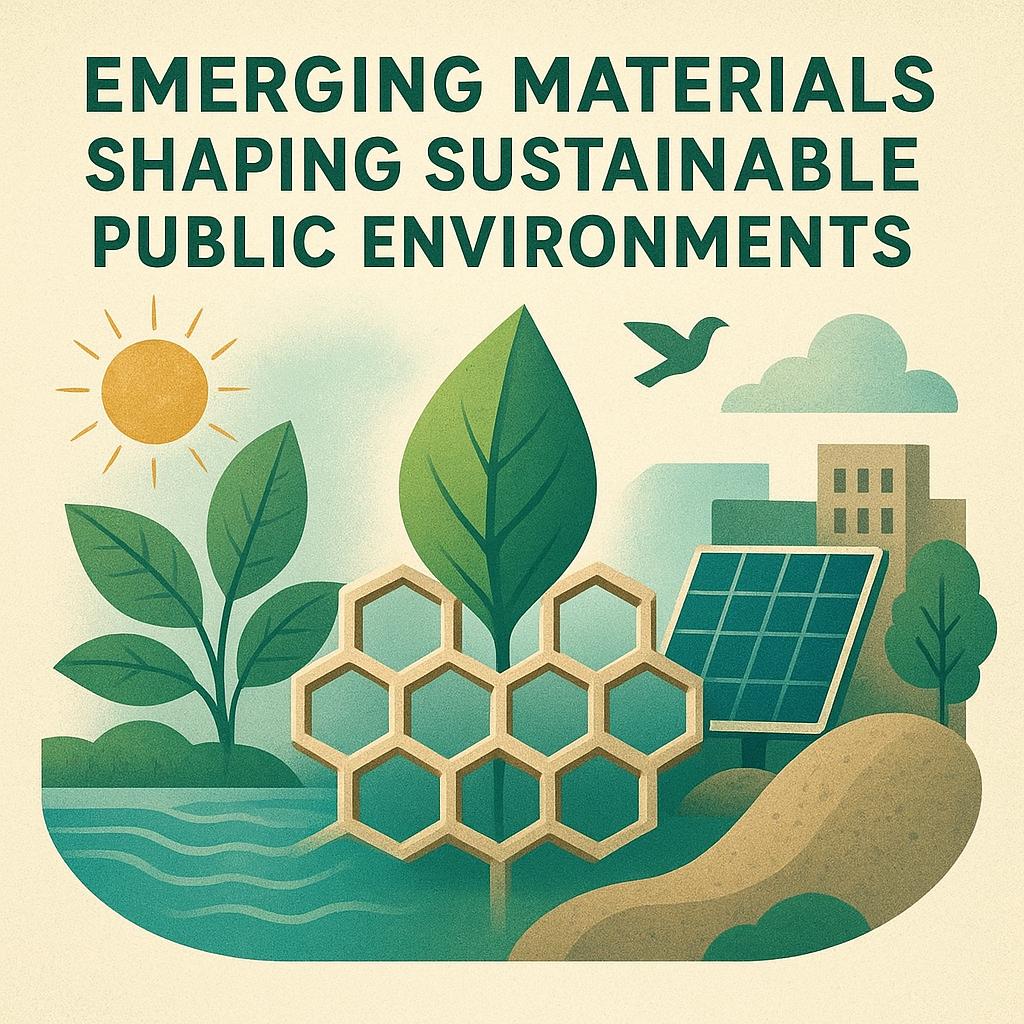
Emerging Materials Shaping Sustainable Public Environments
Innovation in material science is revolutionizing the way public spaces are designed, prioritizing both environmental stewardship and aesthetic appeal. From bio-based composites to reclaimed industrial byproducts, these novel substances are not only reducing reliance on traditional concrete and steel but also enhancing the sensory experience of urban dwellers through textures and colors inspired by nature.
Key materials gaining traction include:
- Mycelium-based panels: Lightweight, biodegradable, and offering excellent insulating properties.
- Recycled glass aggregates: Adding vibrancy and reflectivity to surfaces while diverting waste from landfills.
- Graphene-enhanced concretes: Improving durability without increasing environmental footprint.
- Thermochromic coatings: Adaptive surfaces that respond to temperature fluctuations, optimizing energy efficiency.
These materials not only embody sustainability but also push the boundaries of functionality. Urban planners are increasingly leveraging their properties to combat urban heat islands, improve air quality, and encourage biodiversity within city limits. The aesthetic versatility allows architects to create dynamic environments that evolve with the seasons.
| Material | Environmental Benefit | Innovative Application |
|---|---|---|
| Mycelium Panels | Biodegradable insulation | Modular park benches and shade structures |
| Recycled Glass | Waste diversion & reflective surfaces | Colorful paving and water features |
| Graphene Concrete | Enhanced durability, reduced material use | Long-lasting walkways and structural elements |
| Thermochromic Coatings | Energy efficiency via adaptive shading | Smart facades and interactive walls |

Integrating Technology to Enhance User Interaction and Accessibility
Seamless integration of technology within public environments is redefining how individuals interact with spaces and each other. Smart surfaces embedded with responsive sensors allow visitors to engage naturally, whether through touch, gesture, or voice commands. These advancements are dismantling previous usability barriers, fostering an environment where technology amplifies human-centric experiences rather than distracting from them.
One of the standout innovations is the implementation of adaptive interfaces that customize presentations based on user needs. Public kiosks and information points no longer just display static content; they dynamically adjust font sizes, contrast levels, and language options to ensure inclusivity. Coupled with AI-powered assistants, these interfaces offer real-time guidance, transforming often overwhelming environments into approachable, user-friendly spaces.
- Augmented reality overlays that provide contextual historical or navigational data
- Voice recognition capabilities for hands-free interaction
- Haptic feedback systems improving accessibility for visually impaired visitors
- Wireless charging hubs embedded within seating areas
| Technology | Purpose | User Benefit |
|---|---|---|
| Smart Glass Panels | Interactive Information Display | Customizable content immersion |
| Gesture Recognition | Touchless Navigation | Sanitized and intuitive access |
| AI Virtual Guides | Assisted Wayfinding | Personalized support and safety |
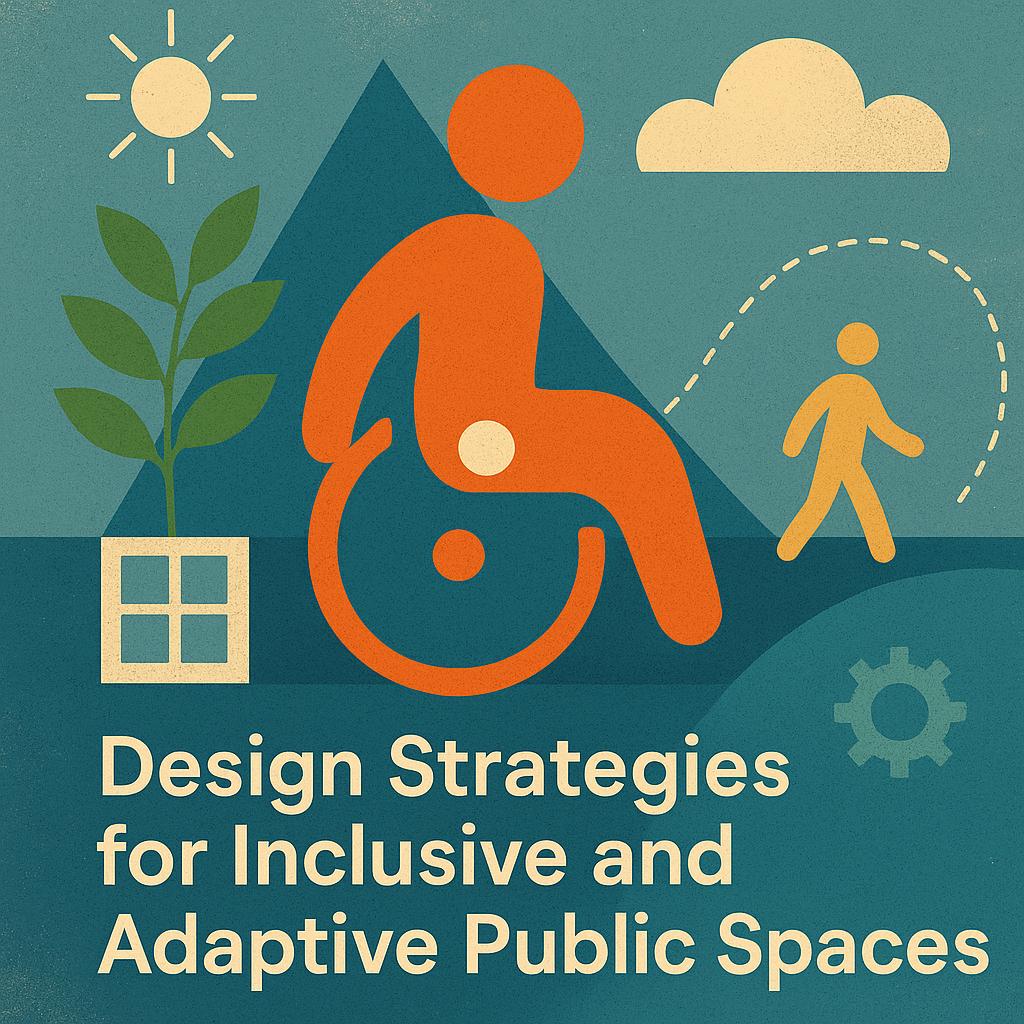
Design Strategies for Inclusive and Adaptive Public Spaces
Crafting public spaces that embrace diversity and flexibility requires an empathetic approach to design. By prioritizing accessibility alongside adaptability, architects craft environments that serve a spectrum of users—from young children to elderly individuals, including those with disabilities. This inclusive mindset is not just about compliance with standards; it’s about celebrating human variety through thoughtful spatial arrangements and intuitive features.
Key design elements shaping tomorrow’s public realms include:
- Multi-sensory navigation aids that support visual, auditory, and tactile engagement
- Modular seating and gathering areas that can be reconfigured for different community activities
- Integration of smart technology to customize environmental conditions such as lighting and acoustics
- Use of natural elements like greenery and water features to promote wellbeing and comfort
Adaptability extends beyond physical form—dynamic spaces evolve to meet shifting social needs. Some plazas now feature movable partitions and retractable shading systems to transform open areas into enclosed venues for events or quiet retreats. This versatility encourages year-round use while fostering a sense of ownership among community members.
| Design Feature | Benefit | Example |
|---|---|---|
| Sensor-activated lighting | Enhances safety and reduces energy | LED pathways in parks |
| Adjustable seating | Accommodates individual and group needs | Modular benches in urban squares |
| Accessible signage | Supports universal wayfinding | Tactile maps with Braille |
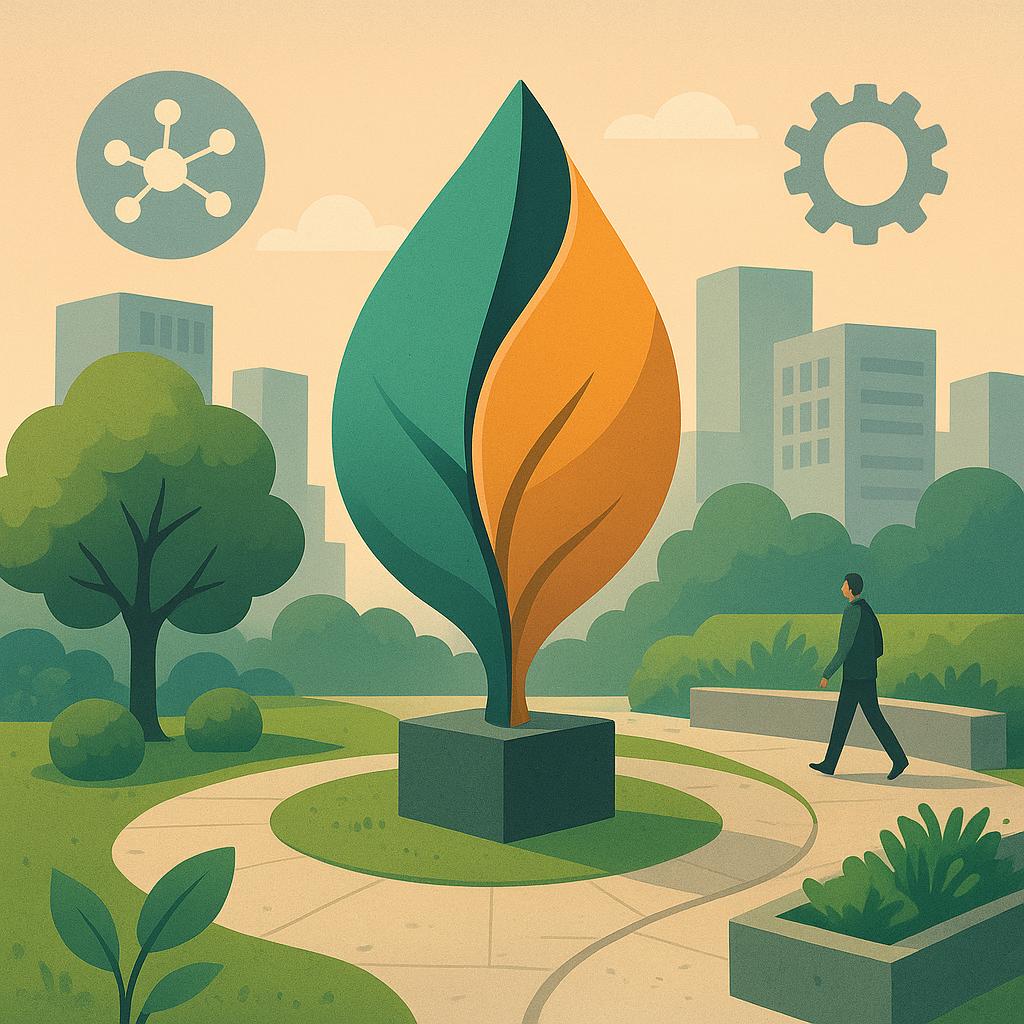
Balancing Aesthetics and Functionality in Urban Landscape Architecture
Urban landscapes are evolving beyond mere ornamentation; they are becoming interactive canvases where beauty meets purpose. The challenge lies in weaving together artistic vision with practical necessities such as accessibility, sustainability, and social engagement. Instead of prioritizing either function or form, forward-thinking designs embrace a symbiotic relationship between the two, transforming public spaces into vibrant ecosystems that serve diverse communities.
Innovative materials and adaptive structures play a pivotal role in this blend. Think of permeable pavements that allow natural water flow or modular seating arrangements that can be reconfigured to suit events and daily use alike. These elements respect environmental constraints while enhancing user experience, inviting dialogue between nature and the built environment.
Consider the following core principles driving this balanced approach:
- Human-centric design: Prioritizing comfort, safety, and accessibility for all age groups.
- Ecological integration: Using native vegetation and green infrastructure to reduce urban heat and improve air quality.
- Multifunctionality: Spaces that support recreation, mobility, and social interaction simultaneously.
| Design Aspect | Functional Benefit | Aesthetic Appeal |
|---|---|---|
| Green Roofs | Improves insulation & runoff | Lush, naturalistic views |
| Interactive Water Features | Climate moderation | Dynamic visual and auditory element |
| Smart Lighting | Safety & energy efficiency | Ambient mood enhancement |
Ultimately, the most successful urban landscapes are those that invite participation and adaptability, challenging the notion that utility and artistry must compete. By harmonizing these elements, designers are crafting resilient, beautiful spaces that foster both well-being and ecological balance.
Q&A
Q: What are the defining architectural trends for public spaces in 2026?
A: In 2026, public space architecture emphasizes sustainability, technological integration, and human-centric design. We see a blend of green infrastructure with smart technology, creating environments that are eco-friendly, interactive, and adaptable to diverse community needs.
Q: How is sustainability being incorporated into public space design?
A: Sustainability manifests through the use of recycled and locally-sourced materials, energy-efficient lighting, and natural ventilation. Designers prioritize green roofs, urban gardens, and permeable surfaces to combat urban heat islands and manage stormwater naturally.
Q: What role does technology play in shaping public spaces?
A: Technology enhances the user experience via responsive lighting, interactive installations, and augmented reality elements. Smart sensors monitor crowd flow and environmental conditions, enabling spaces to adapt in real-time for comfort and safety.
Q: How is human-centric design influencing these trends?
A: Architects focus on inclusivity and accessibility, integrating multi-generational zones, sensory-friendly areas, and ample seating. The spaces encourage social interaction and community engagement, balancing open areas with intimate corners for reflection.
Q: Are there any emerging materials gaining popularity in public space architecture?
A: Yes, bioplastics, sustainable timber, and photoluminescent surfaces are gaining traction. These materials not only reduce environmental impact but also add aesthetic innovation, such as glowing pathways or structures that age gracefully with minimal maintenance.
Q: How do public spaces in 2026 address climate resilience?
A: Designs incorporate flood-resistant landscaping, elevated walkways, and heat-mitigating vegetation. Public spaces are becoming buffers that protect urban areas from extreme weather events, all while remaining welcoming gathering spots.
Q: Can you give examples of these trends coming together?
A: Imagine a city park with solar-paneled benches that charge devices, winding pathways lit by bioluminescent materials, and zones equipped with AR art that changes based on who is present. This seamless fusion of nature, tech, and social design defines tomorrow’s public spaces.
Q: What is the overall vision for public spaces in 2026?
A: The vision is to create dynamic, resilient, and vibrant environments where technology and nature coexist harmoniously, fostering wellness, connectivity, and a deeper sense of place for all community members.
The Way Forward
As we look ahead to 2026, the evolving landscape of public spaces reveals a harmonious blend of innovation and inclusivity. Architectural trends are not just reshaping the physical environment—they are crafting experiences that invite connection, sustainability, and adaptability. In this dynamic interplay between form and function, public spaces will continue to serve as vital canvases where communities gather, interact, and inspire. The future is not just built; it is thoughtfully imagined, inviting us all to step into spaces that reflect the collective aspirations of tomorrow.



0 Comments