
In the midst of our fast-paced lives, the quest for calm and clarity has led many to rediscover an ancient art: aromatherapy. Delicately weaving the essence of nature into the air we breathe, aromatherapy unlocks a subtle yet profound way to enhance our well-being. At the heart of this practice lies the humble diffuser—an unassuming device that transforms essential oils into a fragrant mist, filling our spaces with soothing aromas. Whether you’re a curious beginner or simply looking to refine your technique, understanding how to use a diffuser effectively is key to unlocking the full potential of aromatherapy’s benefits. This guide will walk you through the essentials, helping you create an atmosphere where mind, body, and spirit can harmonize.
Table of Contents
- Choosing the Right Essential Oils for Your Mood and Space
- Mastering Diffuser Settings for Optimal Aromatic Experience
- Maintaining and Cleaning Your Diffuser for Longevity and Performance
- Tips for Safe and Effective Aromatherapy Practices at Home
- Q&A
- Concluding Remarks
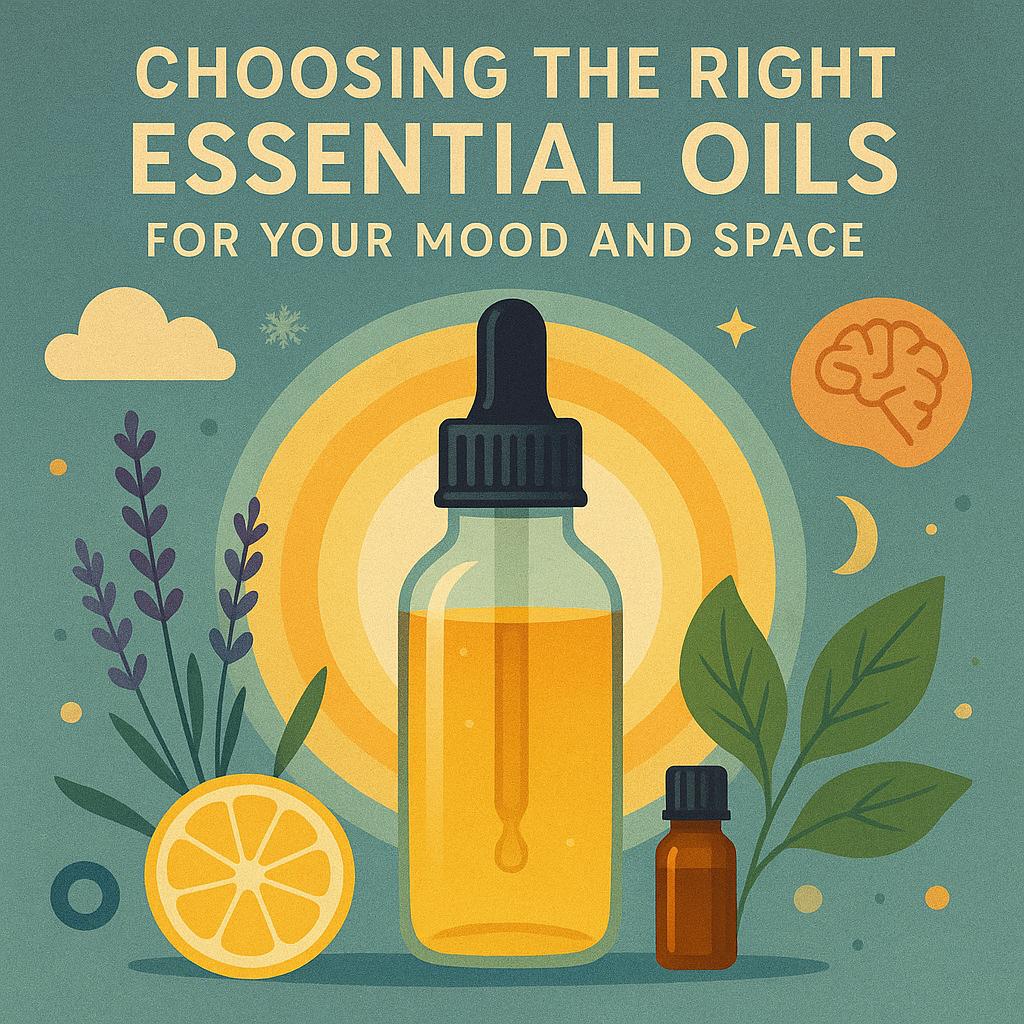
Choosing the Right Essential Oils for Your Mood and Space
Selecting the perfect essential oils to suit your mood and space isn’t just about scent—it’s about creating an environment that nurtures your well-being. For moments when you seek calm and clarity, oils like lavender, chamomile, and bergamot gently ease stress, fostering a tranquil haven. If energy and focus are your goal, invigorating scents such as peppermint, rosemary, and eucalyptus stimulate the mind and refresh your surroundings.
Consider the size and function of your room when introducing aromas. Cozy spaces benefit from warm, grounding fragrances like sandalwood or vanilla, while larger, open areas handle bolder scents such as lemongrass or citrus blends that fill the air without overpowering. Remember, the key is balance—too much of an intense oil can overwhelm, while subtle blends invite comfort and ease.
Here’s a handy guide to help you match your mood and space:
- Relaxation: Lavender, Bergamot, Ylang Ylang
- Focus: Peppermint, Rosemary, Lemon
- Energy Boost: Grapefruit, Eucalyptus, Spearmint
- Comfort: Vanilla, Sandalwood, Cedarwood
| Mood | Essential Oils | Recommended Space |
|---|---|---|
| Calm | Lavender, Chamomile | Bedroom, Meditation Area |
| Focus | Rosemary, Peppermint | Home Office, Study Room |
| Uplift | Grapefruit, Lemon | Living Room, Kitchen |
| Cozy | Sandalwood, Vanilla | Reading Nook, Den |

Mastering Diffuser Settings for Optimal Aromatic Experience
Finding the perfect balance in your diffuser’s settings can drastically elevate your aromatherapy session. Start by adjusting the mist intensity; a higher output quickly saturates the room with fragrance, ideal for larger spaces or when you want a quick refresh. Conversely, a gentle mist works well for smaller rooms or prolonged usage, maintaining a subtle aroma without overwhelming the senses.
Time your diffusion wisely with the built-in timer options available on most modern diffusers. Setting it between 15 to 30 minutes is suitable for beginners, giving your body and mind a gentle introduction to the benefits of essential oils. For deeper relaxation sessions, using intervals such as 30 seconds on and 30 seconds off allows the scent to linger without saturating the air excessively, preventing scent fatigue.
- Mist Output: Low, Medium, High
- Timer Settings: 15, 30, 60 minutes, Continuous
- Lighting: Warm, Cool, Off for no distractions
Enhance your diffuser experience by pairing settings with the room size and activity. For example, use higher mist and longer timers in living areas during social gatherings, while a softer mist and shorter duration suit bedtime routines. Don’t forget to consider the type of essential oil you’re using; some oils have more potent aromas that require lower mist intensity for an optimal aromatic experience.
| Room Size | Mist Intensity | Timer | Best Use Case |
|---|---|---|---|
| Small (up to 150 sq ft) | Low | 15-30 min | Relaxation, Sleep |
| Medium (150-300 sq ft) | Medium | 30-45 min | Work, Focus |
| Large (300+ sq ft) | High | Continuous/Timed | Social, Entertaining |
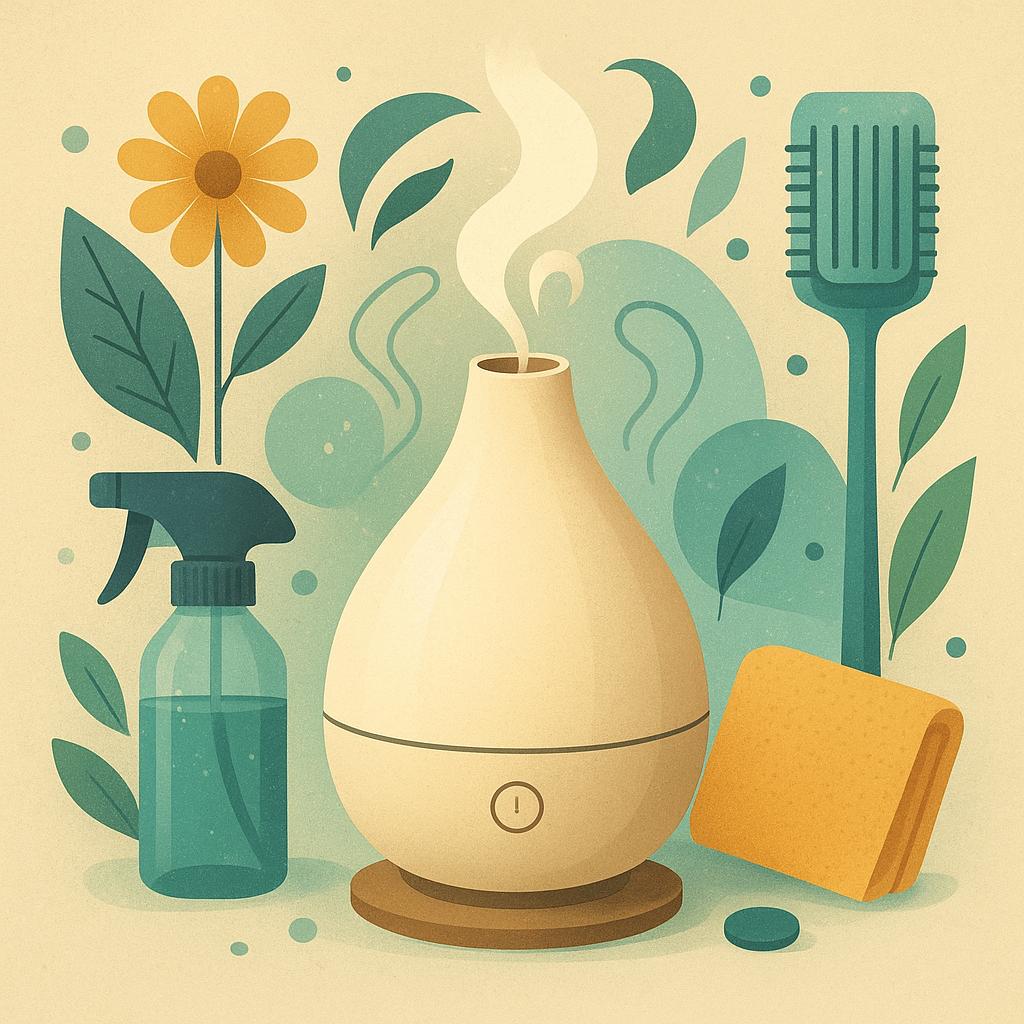
Maintaining and Cleaning Your Diffuser for Longevity and Performance
Ensuring your diffuser remains in pristine condition is key to keeping your aromatherapy sessions consistent and effective. Over time, residue from essential oils can build up, affecting both the device’s function and the clarity of the mist. After each use, make it a habit to empty any remaining water and wipe the tank dry with a soft cloth. This simple step prevents unwanted odors and keeps your diffuser smelling fresh.
For a deeper clean, perform a weekly routine using gentle, natural cleaning agents. Fill the diffuser halfway with water and add a teaspoon of white vinegar. Run the diffuser for about 5 to 10 minutes to allow the vinegar to dissolve any deposit inside. Afterwards, rinse thoroughly with clean water and wipe down to remove vinegar lingering. This method is not only effective but safe for most diffuser models.
- Check for mineral buildup: If you use tap water, minerals can accumulate quickly, especially in ultrasonic diffusers.
- Avoid harsh chemicals: These can damage the device and interfere with the purity of your essential oils.
- Dry completely before storage: Moisture trapped inside can lead to mold growth and unpleasant smells.
| Cleaning Task | Frequency | Recommended Material |
|---|---|---|
| Daily water and oil emptying | After each use | Soft cloth |
| Vinegar deep clean | Weekly | White vinegar, water |
| Check mineral buildup | Monthly | Soft brush or cotton swabs |
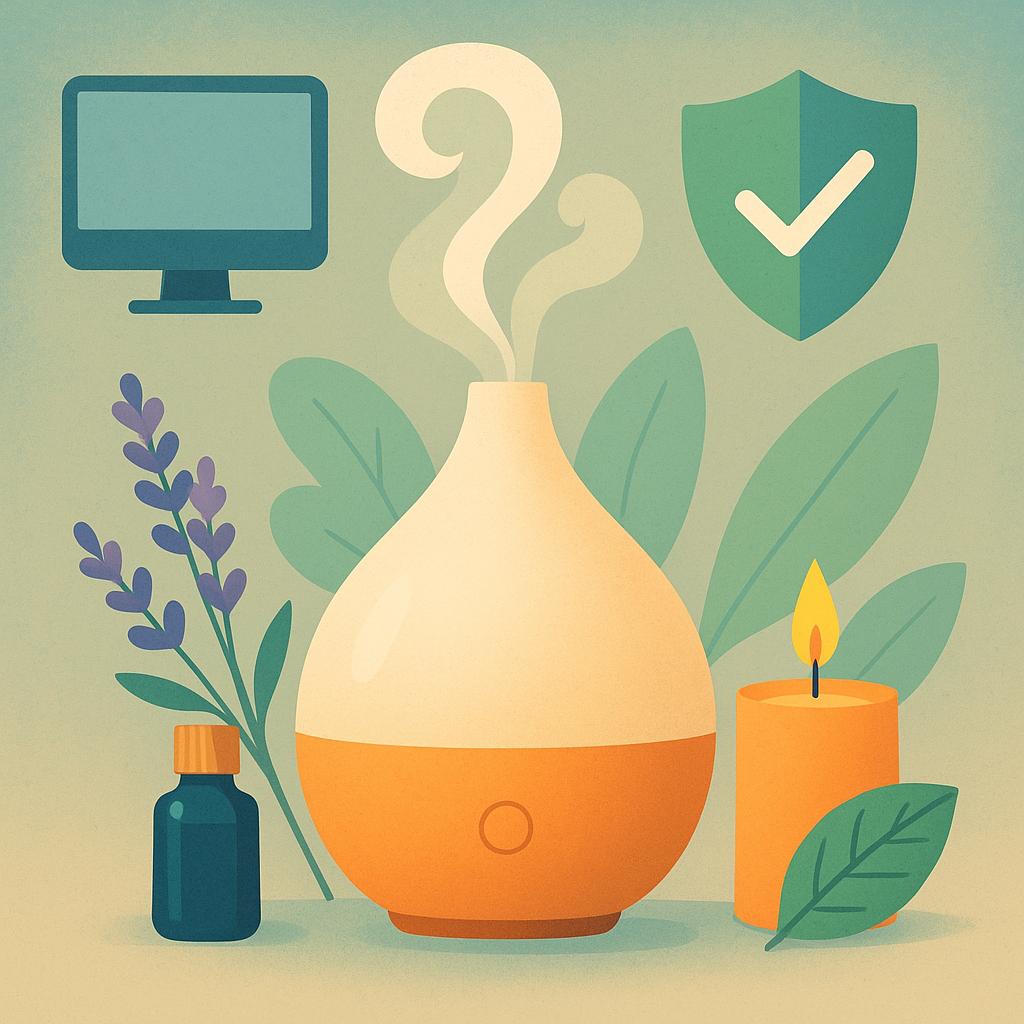
Tips for Safe and Effective Aromatherapy Practices at Home
When incorporating aromatherapy into your daily routine, it’s essential to prioritize safety alongside enjoyment. Always opt for high-quality, pure essential oils sourced from reputable suppliers. Dilution is key — undiluted oils can cause irritation or allergic reactions when diffused in large quantities. Start with a few drops and gradually adjust based on the room size and your sensitivity.
Keep in mind the environment in which you diffuse. Ensure good ventilation by occasionally opening windows or doors to avoid overwhelming the senses or triggering headaches. Avoid using diffusers in enclosed spaces for extended periods, especially if you have pets, as many essential oils, including eucalyptus and tea tree, can be toxic to animals. Always research oil safety related to your household members.
- Clean your diffuser regularly to prevent mold and bacteria buildup
- Limit diffusion sessions to 30-60 minutes at a time
- Store essential oils in dark, airtight bottles away from sunlight
- Keep oils out of reach of children and pets
| Essential Oil | Recommended Use Time | Common Precautions |
|---|---|---|
| Lavender | 30-45 minutes | Generally safe, avoid if allergic |
| Peppermint | 20-30 minutes | Avoid near children under 6 |
| Eucalyptus | 15-20 minutes | Toxic to pets, use with caution |
| Tea Tree | 15-20 minutes | Not for pets, potential skin irritant |
Q&A
Q&A: Aromatherapy 101 – How to Use a Diffuser Effectively
Q1: What exactly is aromatherapy, and why use a diffuser?
A1: Aromatherapy is the art and science of using natural plant extracts—essential oils—to promote physical and emotional well-being. A diffuser disperses these oils into the air as a fine mist, allowing you to breathe in therapeutic aromas that can uplift your mood, enhance relaxation, or even improve focus.
Q2: How do I choose the right essential oils for my diffuser?
A2: Start by identifying your goal. Lavender and chamomile are calming, eucalyptus and peppermint invigorate, while citrus oils like lemon and orange refresh. Think of essential oils as your personal aromatherapy playlist—pick the scents that resonate with your mood or needs.
Q3: What type of diffuser is best for beginners?
A3: Ultrasonic diffusers are beginner-friendly: they use water and gentle vibrations to create a cool mist, are easy to use, and often double as humidifiers. They’re quiet and safe for any room size, making them a favorite introduction to aromatherapy.
Q4: How many drops of essential oil should I add to my diffuser?
A4: Generally, 3-5 drops per 100 ml of water is a safe starting point. Too much oil can overwhelm the senses or cause headaches, while too little might not deliver the desired effect. Adjust according to your preference and room size.
Q5: Can I use my diffuser all day?
A5: It’s best to diffuse for 30 to 60 minutes at a time with breaks in between. Prolonged exposure can desensitize your senses or cause irritation. Using the diffuser intermittently keeps the air fresh and your experience pleasant.
Q6: Are there any safety tips I should know?
A6: Absolutely! Always use pure essential oils, follow manufacturer instructions, keep diffusers out of reach of children and pets, and avoid diffusing oils that may cause allergies or sensitivities. Some oils are not safe during pregnancy or for pets, so do your research beforehand.
Q7: How do I clean and maintain my diffuser?
A7: Regular cleaning is key to preventing mold and ensuring optimal function. Empty leftover water daily, wipe the inside with a soft cloth and white vinegar weekly, and avoid harsh chemicals. A clean diffuser means a cleaner, more effective aroma experience.
Q8: Can I blend different essential oils in my diffuser?
A8: Yes! Blending oils lets you create personalized aromas and synergistic effects. Start with small amounts—think 2 drops of one oil and 3 of another—to find combinations you love. Experimentation is part of the fun!
Q9: Does the size of the room matter when using a diffuser?
A9: Definitely. Larger rooms need more oil or a diffuser with a stronger output, while smaller rooms require less. If the scent feels weak, increase oil drops or use a diffuser designed for bigger spaces. If it’s too strong, dilute with water or reduce oil drops.
Q10: What’s the best time of day to use aromatherapy diffusers?
A10: Anytime really! Morning blends can energize your day, mid-afternoon scents can boost concentration, and evening aromas can calm and prepare you for restful sleep. Tailoring your diffuser use to your daily rhythms enhances the benefits of aromatherapy.
Concluding Remarks
As you embark on your aromatherapy journey, remember that a diffuser is more than just a device—it’s a gentle guide to creating your own sanctuary of scent and serenity. By understanding how to use it effectively, you unlock a world of calming breezes, invigorating bursts, and subtle whispers of nature’s finest aromas. Whether seeking relaxation, focus, or simply a touch of ambiance, your diffuser becomes the silent partner in enhancing your everyday moments. So breathe deep, embrace the ritual, and let the essence of aromatherapy transform your space, one fragrant mist at a time.



0 Comments