
In the art of garden design, the harmonious blend of hardscapes and greenery creates outdoor spaces that are both visually captivating and functionally inviting. Hardscapes—such as stone pathways, retaining walls, and patios—provide structure and definition, offering a sturdy canvas upon which nature’s soft, living elements can flourish. By thoughtfully combining these contrasting elements, gardeners and designers craft environments that balance texture, color, and form, transforming simple yards into serene retreats. This interplay between the built and the natural invites a fresh perspective on garden aesthetics, where enduring materials meet vibrant life in a seamless dance of beauty and purpose.
Table of Contents
- Blending Natural Elements with Structural Features for Visual Harmony
- Choosing the Right Materials to Complement Your Garden’s Greenery
- Designing Functional Spaces That Enhance Outdoor Living Experience
- Incorporating Plant Varieties to Soften and Balance Hardscape Designs
- Q&A
- Closing Remarks

Blending Natural Elements with Structural Features for Visual Harmony
Achieving a seamless unity between natural elements and architectural structures elevates any garden from mere decoration to an immersive sensory experience. Stone pathways meandering through lush foliage invite exploration, while wooden pergolas draped in climbing vines create intimate, shaded retreats. The key lies in balancing the rigidity of hardscapes with the organic flow of greenery, crafting a dialogue between permanence and growth.
Consider the following approaches to blend these elements effectively:
- Use textured materials like weathered stone or aged timber to reflect the garden’s natural palette.
- Incorporate varying plant heights around structural features to soften hard edges and add depth.
- Align pathways with the natural contours of the land rather than imposing straight lines, creating a more organic movement.
- Integrate water features alongside stonework to contrast solidity with fluidity, enhancing sensory appeal.
Understanding the interplay of materials, light, and shadow can produce striking contrasts or soothing continuity. For instance, a granite bench beside a bed of blooming lavender grounds the space with solidity while infusing it with vibrant life and fragrance. Similarly, steel or concrete elements painted in earthy tones harmonize effortlessly when surrounded by native grasses and succulents.
| Structural Feature | Natural Element Pairing | Visual Benefit |
|---|---|---|
| Stone Wall | Moss & Ferns | Softens rugged texture with lush greenery |
| Wooden Deck | Potted Citrus Trees | Adds vibrant color and refreshing scent |
| Metal Pergola | Climbing Jasmine | Creates fragrant, shaded sanctuary |

Choosing the Right Materials to Complement Your Garden’s Greenery
When selecting materials to pair with your garden’s rich tapestry of greens, think of balance and harmony. Natural elements like wood and stone often evoke an organic feel that seamlessly blends with lush foliage. Wooden decks or benches, for example, introduce warmth and texture, inviting visitors to pause and enjoy the surroundings. Meanwhile, stone pathways or retaining walls provide structure and permanence, grounding the space both visually and physically.
Metal and concrete, while less organic, can be equally compelling when used thoughtfully. Their sleek surfaces and clean lines contrast beautifully with soft, flowing plants, adding a modern edge without overwhelming the garden’s natural appeal. To avoid harshness, consider weathered metals or concrete with textured finishes, which age gracefully alongside the greenery.
- Clay Tiles: Ideal for Mediterranean-style gardens, offering earthy warmth.
- Gravel: Provides permeability and a rustic charm beneath flower beds.
- Glass: Great for garden fencing or water features, enhancing light reflection.
- Natural Stone: Timeless choice that adds depth and durability.
| Material | Best Use | Complementary Plant Types |
|---|---|---|
| Weathered Wood | Decking & Benches | Flowering Shrubs & Ferns |
| Natural Stone | Pathways & Walls | Grasses & Succulents |
| Mined Gravel | Ground Cover | Perennials & Low-Growing Herbs |
| Cor-Ten Steel | Planters & Fencing | Climbers & Vines |

Designing Functional Spaces That Enhance Outdoor Living Experience
Seamlessly integrating hardscapes and lush greenery allows homeowners to craft outdoor environments that are as functional as they are inviting. Thoughtful placement of patios, walkways, and seating areas can create natural flow zones that encourage movement and interaction while providing defined spaces for relaxation and entertainment. By balancing structural elements with vibrant plantings, the outdoors become an extension of indoor living areas, fostering a sense of harmony and continuity.
Key considerations for creating these spaces include:
- Material selection that complements the surrounding landscape and architectural style
- Strategic use of plants to soften hard edges and add seasonal interest
- Incorporation of multifunctional elements such as fire pits, pergolas, or garden walls that serve both aesthetic and practical purposes
Designing with purpose means every element has a role. For instance, a granite pathway not only guides guests but also acts as a visual anchor amid a sea of greenery. Meanwhile, raised garden beds and built-in benches provide structure and seating without overwhelming natural vistas. This approach creates layers of texture and depth, encouraging exploration and enjoyment of the space throughout the year.
| Element | Function | Best Material |
|---|---|---|
| Patio | Outdoor dining & lounging | Natural stone or stamped concrete |
| Walkway | Guides movement | Brick or gravel |
| Seating Wall | Additional seating & boundary | Concrete blocks or wood |
| Planters | Defined planting areas | Ceramic or metal |
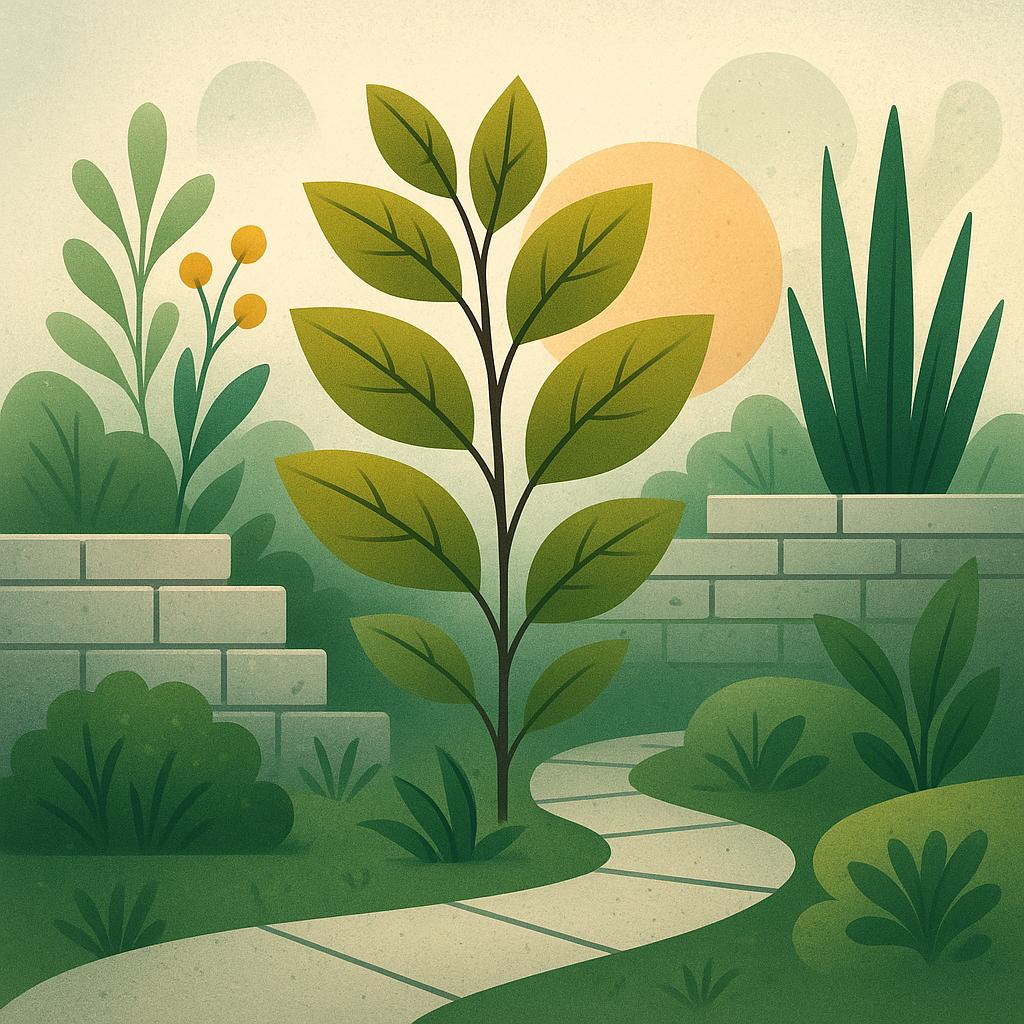
Incorporating Plant Varieties to Soften and Balance Hardscape Designs
Integrating a diverse selection of plants is essential to infuse life and texture into the rigid contours of hardscape elements. By layering colors, heights, and foliage textures, gardeners create visual interest that breaks up the monotony of stone, concrete, or metal. Consider combining soft grasses with bushy shrubs or trailing vines that cascade over edges, adding an organic softness that invites touch and exploration.
Strategically positioning plants not only enhances aesthetics but also helps define spaces within the landscape. For instance, tall, architectural plants like bamboo or ornamental grasses provide verticality and privacy next to patios or pathways. Meanwhile, low-growing ground covers and flowering perennials can fill gaps between pavers, blurring boundaries and creating natural transitions.
Key planting strategies include:
- Contrast: Use plants with varying leaf shapes and colors to counterbalance hardscape geometry.
- Seasonal interest: Incorporate species that provide blooms, berries, or foliage changes throughout the year.
- Texture interplay: Combine smooth, glossy leaves with rough or feathery foliage for tactile diversity.
| Hardscape Element | Plant Variety | Effect |
|---|---|---|
| Stone Pathway | Creeping Thyme | Softens edges with color and fragrance |
| Concrete Wall | Climbing Ivy | Adds greenery and vertical interest |
| Metal Fence | Wisteria Vine | Creates flowing movement and delicate blooms |
| Wooden Deck | Hostas | Provides shade-loving lush foliage nearby |
Q&A
Q&A: Garden Aesthetics – Combining Hardscapes with Greenery
Q1: What is meant by “hardscapes” in garden design?
A1: Hardscapes refer to the non-living elements within a garden, such as patios, pathways, walls, decks, and fountains. These structures provide shape and functionality, acting as the framework around which plants and greenery grow.
Q2: How do hardscapes complement greenery in a garden?
A2: Hardscapes create contrast and balance against the softness of plants. They offer structure, guiding the eye and movement, while greenery adds color, texture, and life. Together, they create a harmonious environment that feels both intentional and organic.
Q3: What are some popular materials used for hardscaping?
A3: Common materials include natural stone, brick, concrete, gravel, and wood. Each material brings its own character—stone adds timeless elegance, brick introduces warmth, while wood offers rustic charm.
Q4: How can gardeners ensure that hardscapes don’t overpower the greenery?
A4: The key is proportion and integration. Hardscape elements should be scaled appropriately to the size of the garden and softened with climbing plants, ground covers, or container plantings. Thoughtful placement ensures a seamless dialogue between structure and nature.
Q5: What role does color play when combining hardscapes with plants?
A5: Color acts as a bridge linking the inorganic and organic. Neutral tones in hardscape materials allow plants to shine, while colored stones or bricks can echo the hues found in flowerbeds, creating visual continuity throughout the space.
Q6: Can hardscapes help in low-maintenance garden design?
A6: Absolutely. Well-designed hardscapes reduce the areas needing regular care. Paved paths limit soil erosion, paved patios minimize lawn mowing, and retaining walls can support elevated beds that are easier to maintain.
Q7: How do hardscapes influence the garden’s usability?
A7: Hardscape features provide functional zones—for seating, dining, walking, or water features—enhancing the garden’s usability. They create inviting outdoor rooms where people can gather and enjoy the natural surroundings comfortably.
Q8: Are there any sustainability considerations when combining hardscapes with greenery?
A8: Yes. Using permeable materials allows rainwater to seep through, reducing runoff. Incorporating native plants around hardscape areas supports local ecosystems and reduces the need for chemical inputs. Balancing hardscape and greenery thoughtfully fosters an eco-friendly garden.
Q9: What is a simple way for beginners to start combining hardscapes with plants?
A9: Start with a defined pathway using gravel or stepping stones and plant low-growing greenery alongside it. This invites exploration and introduces the principle of contrasting textures and materials without overwhelming the space.
Q10: How can lighting enhance the aesthetic combination of hardscapes and greenery?
A10: Strategic lighting highlights textures and shapes after sunset. Uplighting trees, illuminating pathways, or softly lighting a stone wall can create mood, depth, and safety, extending the garden’s beauty into the evening hours.
Closing Remarks
As the sun sets on your garden design journey, remember that the true beauty of outdoor spaces lies in the harmonious dance between the sturdy embrace of hardscapes and the vibrant life of greenery. By thoughtfully weaving stone, wood, and metal with lush plants and blooming flowers, you create not just a garden, but an experience — one that invites reflection, relaxation, and renewal. Embrace the balance, and let your garden become a living canvas where nature and craftsmanship unite in timeless elegance.



0 Comments