
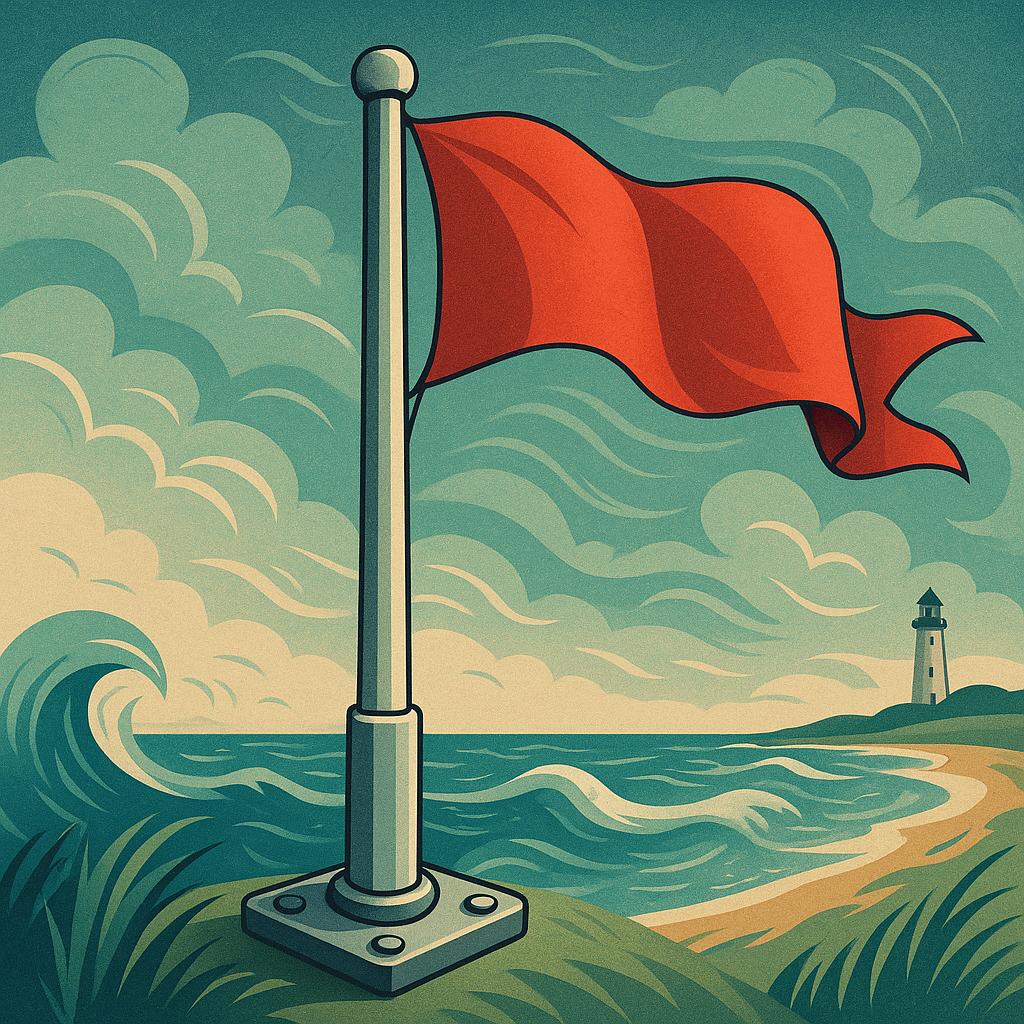
Standing tall against the breeze, an outdoor flagpole is more than just a structure—it’s a symbol of pride, resilience, and community spirit. But nestled along the coast, where salty air and relentless winds converge, maintaining that proud stance requires a little extra care. Coastal environments can be tough on metal and wood alike, turning a once-vibrant flagpole into a weather-beaten relic if left unattended. In this article, we’ll explore practical tips and expert advice on how to preserve the strength and beauty of your outdoor flagpole amidst the challenges of coastal living, ensuring it continues to fly proudly for years to come.
Table of Contents
- Choosing Durable Materials for Coastal Flagpoles
- Protecting Your Flagpole from Saltwater Corrosion
- Regular Cleaning and Maintenance Tips for Coastal Environments
- Securing and Stabilizing Your Flagpole Against Coastal Winds
- Q&A
- To Wrap It Up

Choosing Durable Materials for Coastal Flagpoles
When selecting materials for flagpoles placed near the coast, it’s essential to consider the harsh environmental conditions unique to these areas. Salt air, high humidity, and strong winds pose ongoing challenges, so choosing materials that can withstand corrosion and wear is critical to prolonging the life of your flagpole.
Aluminum remains a popular choice due to its excellent resistance to rust and its lightweight nature. It often comes with a protective powder-coated finish, enhancing its durability against salt spray and moisture. However, the quality of the coating plays a significant role — ensure you choose poles with marine-grade finishes to maximize longevity.
Fiberglass</strong poles offer impressive resistance to corrosion and fading, making them ideal for coastal climates. Their flexibility allows them to bend slightly in strong winds without snapping, reducing damage from gusts. Additionally, fiberglass requires very little maintenance compared to metals.
Steel flagpoles are sturdier but generally need extra care in coastal settings. Opt for galvanized or stainless steel options that include rust-resistant coatings. Regular inspections and touch-ups on any scratches or chips in the coating will prevent corrosion and maintain the pole’s structural integrity.
| Material | Corrosion Resistance | Maintenance Level | Wind Flexibility |
|---|---|---|---|
| Aluminum | High (with marine-grade coating) | Moderate | Moderate |
| Fiberglass | Very High | Low | High |
| Galvanized Steel | Moderate | High | Low |
| Stainless Steel | High | Moderate | Low |
- Opt for corrosion-resistant coatings designed for marine environments.
- Consider the weight and flexibility of the material based on typical coastal wind conditions.
- Regularly inspect the flagpole for chips or wear to apply timely protective maintenance.

Protecting Your Flagpole from Saltwater Corrosion
Start with regular washes using fresh water to rinse off salt deposits. Avoid harsh chemicals; instead, opt for mild soap combined with water and a soft cloth or sponge. This gentle approach removes corrosive salts without damaging the protective finishes. Rinse thoroughly and dry your pole with a microfiber cloth to prevent moisture accumulation, which can accelerate corrosion.
Beyond cleaning, applying a protective coating significantly extends the life of your flagpole. Specialized marine-grade paints and sealants form a barrier against salt and moisture. These coatings should be reapplied seasonally or after heavy storms. Additionally, inspecting your flagpole for signs of wear—like peeling paint or tiny rust spots—allows for quick remediation before the damage escalates.
- Use stainless steel or powder-coated flagpoles for natural resistance
- Lubricate moving parts regularly to prevent salt buildup
- Consider a flagpole cover during harsh weather spells to reduce direct exposure
| Maintenance Step | Frequency | Recommended Product |
|---|---|---|
| Freshwater Rinse | Weekly | Soft sponge, mild soap |
| Protective Sealant Application | Every 6 months | Marine-grade sealant |
| Hardware Lubrication | Monthly | Silicone spray |
| Inspect for Rust | Monthly | Rust remover & touch-up paint |

Regular Cleaning and Maintenance Tips for Coastal Environments
Lubrication is another cornerstone of longevity. Apply a silicone-based lubricant to moving parts such as pulleys and halyard clips at least twice a year. This not only prevents rust but also keeps the flag’s movement smooth and quiet. Remember to check the halyard for fraying or wear, replacing it promptly to avoid unexpected failures.
- Rinse poles regularly with fresh water
- Use mild soap solutions for cleanings
- Apply silicone lubricant on mechanical parts biannually
- Inspect and replace halyard lines as needed
- Look out for corrosion spots and touch up paint promptly
| Maintenance Task | Frequency | Benefits |
|---|---|---|
| Fresh Water Rinse | Weekly | Prevents salt buildup |
| Soap Cleaning | Monthly | Removes grime and dirt |
| Lubrication | Biannually | Protects moving parts from rust |
| Halyard Inspection | Quarterly | Ensures safety and reliability |
Securing and Stabilizing Your Flagpole Against Coastal Winds
Incorporate high-quality hardware designed to withstand corrosive salt air, such as stainless steel bolts and marine-grade anchors. Coastal climates expedite rust and wear on metal parts, so opting for corrosion-resistant materials is essential for longevity. Regularly check these fixtures during routine maintenance to spot early signs of degradation.
Additional tips for enhanced stability include:
- Installing guy wires at multiple points to distribute tension evenly and reduce swaying.
- Applying mildew-resistant coatings or paint to the pole to protect against moisture damage.
- Trimming nearby vegetation that could obstruct wind flow, causing turbulence around the flagpole.
Recommended Anchor Types for Coastal Flagpoles
| Anchor Type | Best Use | Durability |
|---|---|---|
| Concrete Pier | Large, permanent installations | High |
| Ground Spike with Guy Wires | Temporary or smaller poles | Medium |
| Flange Base with Bolts | Metal poles on concrete slabs | High |
Q&A
Q&A: How to Maintain Your Outdoor Flagpole in Coastal Areas
Q1: Why is maintaining a flagpole near the coast different from inland areas?
A1: Coastal environments expose flagpoles to salty air, high humidity, and strong winds. Salt accelerates corrosion, while constant moisture can degrade materials faster. Plus, sea breezes often bring gusts that can strain your flagpole and its components.
Q2: What materials are best suited for flagpoles in coastal regions?
A2: Stainless steel, aluminum with a marine-grade powder coating, or fiberglass are ideal choices. These materials resist rust and withstand the corrosive salty air better than untreated metals.
Q3: How often should I inspect my coastal flagpole?
A3: Aim for monthly inspections, especially after storms or high winds. Look for signs of rust, loose fittings, frayed halyards, or damage to mounting brackets and poles.
Q4: What preventative measures can reduce salt damage?
A4: Regularly rinse your flagpole with fresh water to wash away salt deposits. Applying a protective wax or marine-grade sealant can also create a barrier against corrosion.
Q5: How should I care for the halyard (rope) in a coastal setting?
A5: Use synthetic ropes that resist UV damage and moisture, like nylon or polyester. Inspect for wear and fraying frequently, and replace when necessary to avoid breakage during strong winds.
Q6: Are there special tips for flag flying near the ocean?
A6: Choose durable, weather-resistant flags made from nylon or polyester. Consider lowering or removing your flag during severe storms to protect both the flag and pole.
Q7: Can I DIY all maintenance, or should I hire professionals?
A7: While routine cleaning and inspections are great DIY projects, significant repairs or extensive corrosion might call for a professional to ensure safety and longevity.
Q8: What’s the best way to store a flagpole during the off-season or harsh weather?
A8: If possible, lower and disassemble your flagpole, then store it in a dry, sheltered area. This limits exposure to harsh elements and extends its lifespan.
Q9: How does coastal wind impact flagpole upkeep?
A9: Coastal winds tend to be stronger and more persistent, which can stress the pole’s joints and fasteners. Tightening fittings regularly and choosing flexible pole materials can help mitigate wind damage.
Q10: Any final tips for coastal flagpole enthusiasts?
A10: Stay vigilant and proactive. The coastal environment is tough, but with consistent care—rinsing, inspecting, protecting—you can enjoy a proud, standing flagpole waving proudly against the sea breeze for years to come.
To Wrap It Up
Maintaining your outdoor flagpole in coastal areas requires a blend of vigilance, care, and a touch of coastal savvy. Salt, wind, and moisture might test your flagpole’s resilience, but with regular cleaning, protective coatings, and timely inspections, you can ensure it stands tall and proud against the elements. By embracing these simple yet effective maintenance habits, your flagpole will not only weather the coastal challenges but continue to be a symbol of steadfastness and pride for years to come. After all, every flag deserves a strong stage from which to fly—especially by the sea.



0 Comments