
In the midst of a throbbing headache or the relentless pulse of a migraine, reaching for a natural remedy can feel like returning to an ancient, comforting embrace. Long before modern pharmaceuticals dominated medicine cabinets, cultures around the world relied on the gentle power of nature to soothe pain and restore balance. Today, as many seek alternatives to conventional treatments, natural remedies offer a compelling blend of tradition and wellness. This article explores a variety of time-honored and scientifically supported natural approaches to alleviating headaches and migraines—inviting readers to discover how the earth’s own remedies might provide relief when the mind demands respite.
Table of Contents
- Understanding Common Triggers Behind Headaches and Migraines
- Herbal Allies That Soothe Pain and Promote Relief
- Lifestyle Practices to Prevent and Alleviate Symptoms
- When to Seek Professional Advice for Persistent Headaches
- Q&A
- To Conclude
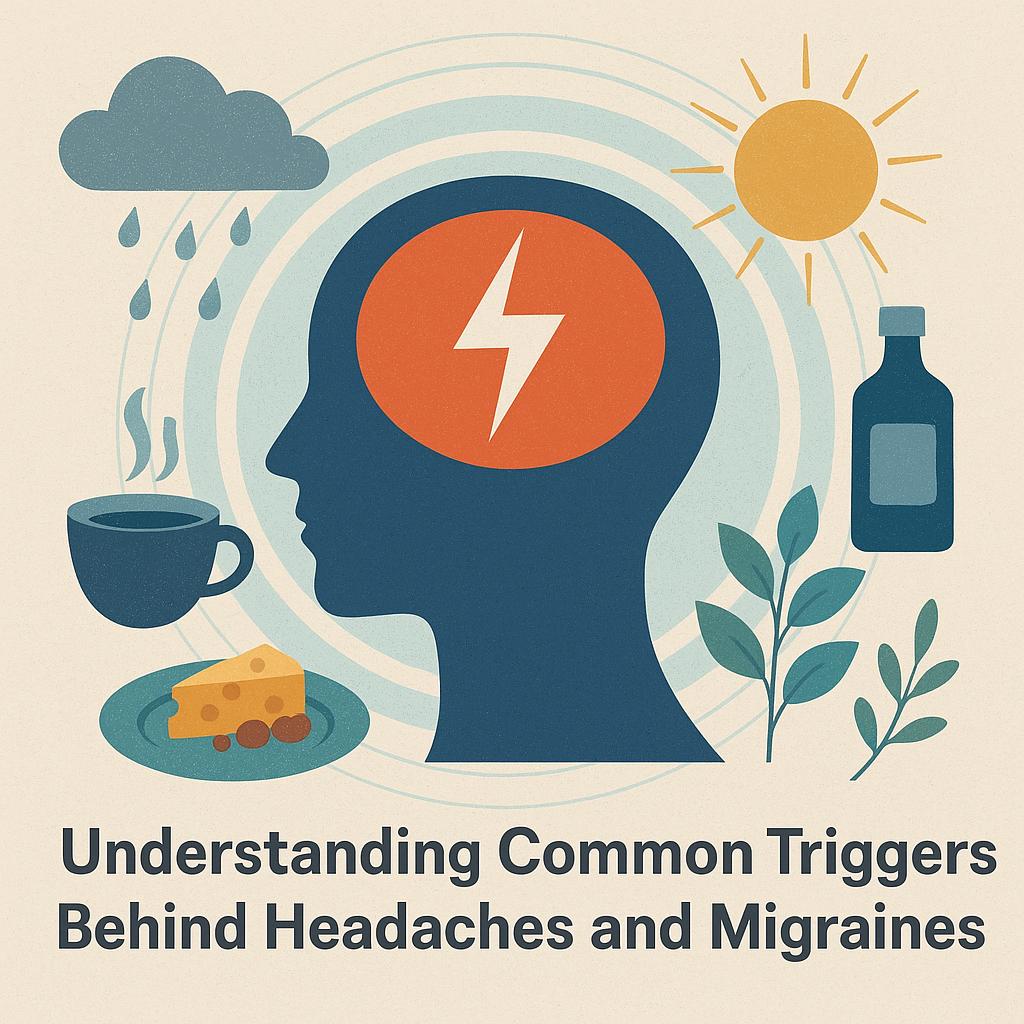
Understanding Common Triggers Behind Headaches and Migraines
Headaches and migraines often stem from a variety of triggers that can be as subtle as a slight change in weather or as obvious as skipping a meal. By recognizing these underlying factors, it becomes easier to manage symptoms naturally and reduce the frequency and intensity of pain. Environmental influences such as bright or flickering lights, loud noises, and strong odors can unsettle the nervous system, igniting a headache in sensitive individuals.
Dietary choices play a significant role as well. Certain foods contain compounds that may precipitate headaches or migraines, especially when consumed in excess. These often include:
- Aged cheeses like cheddar and blue cheese
- Processed meats containing nitrates
- Caffeine, particularly when intake is irregular
- Artificial sweeteners such as aspartame
Beyond nutrition and environment, lifestyle factors cannot be overlooked. Stress remains one of the most common triggers, as emotional tension can cause muscle tightening and vascular changes. Similarly, inconsistent sleep patterns disturb the body’s natural rhythms, potentially unleashing migraine episodes. Hormonal fluctuations, especially in women, add another layer of complexity to managing these head pains.
| Trigger Category | Common Examples | Impact Level |
|---|---|---|
| Environmental | Bright lights, strong smells | Moderate to High |
| Dietary | Aged cheese, caffeine | Variable |
| Lifestyle | Stress, irregular sleep | High |
| Hormonal | Menstrual cycle, pregnancy | Moderate |

Herbal Allies That Soothe Pain and Promote Relief
When it comes to finding relief from persistent headaches and migraines, turning to nature often brings unexpected comfort. Many herbs have been celebrated for centuries due to their ability to ease pain, reduce inflammation, and promote relaxation without the side effects commonly associated with synthetic medications.
Feverfew stands out as a remarkable ally. Its leaves contain parthenolide, a compound that helps inhibit the release of inflammatory substances. Regular use of feverfew can reduce the frequency and intensity of migraine attacks. Coupled with its minimal side effects, it’s a popular choice among those seeking natural alternatives.
Peppermint oil applied topically offers a cooling sensation that can soothe tension headaches rapidly. Its menthol component relaxes the muscles and increases blood flow. Similarly, ginger not only calms nausea often accompanying migraines but also fights inflammation internally, making it a dual-action herb perfect for acute episodes.
- Butterbur: Shown to decrease migraine frequency by relaxing blood vessels.
- Willow bark: Acts like natural aspirin, easing pain and inflammation.
- Lavender: The aroma calms nerves and reduces migraine severity.
| Herb | Main Benefit | Usage |
|---|---|---|
| Feverfew | Reduces migraine frequency | Capsules or teas |
| Peppermint | Tension relief | Topical oil |
| Ginger | Anti-nausea, anti-inflammatory | Fresh or teas |
| Butterbur | Prevents migraines | Supplements |

Lifestyle Practices to Prevent and Alleviate Symptoms
Adopting certain daily habits can dramatically reduce the frequency and intensity of headaches and migraines. Consistent hydration is essential; water helps maintain optimal brain function and can prevent the dehydration-triggered headaches that many experience. Aim to drink at least 8 glasses a day and consider herbal teas, such as peppermint or ginger, for a soothing effect that complements hydration.
Managing stress through mindful techniques is another powerful tool. Practices like yoga, meditation, and deep breathing not only calm the nervous system but also improve blood flow and oxygenation to the brain. Make it a daily ritual—even just 10 minutes—to cultivate a state of relaxation that acts as a natural barrier against tension headaches and migraine attacks.
Getting regular, high-quality sleep is pivotal. A consistent sleep schedule stabilizes your body’s internal clock, reducing the likelihood of headaches triggered by irregular rest. Creating a sleep-friendly environment—with blackout curtains, a cool room temperature, and minimal electronics an hour before bed—can enhance restorative sleep cycles.
- Balanced Diet: Include magnesium-rich foods like spinach, nuts, and whole grains to support nerve health.
- Limit Caffeine: Moderate intake prevents rebound headaches while maintaining alertness.
- Physical Activity: Regular exercise boosts endorphins, natural painkillers that can reduce headache frequency.
| Practice | Benefit | Tip |
|---|---|---|
| Hydration | Prevents dehydration headaches | Carry a reusable water bottle |
| Yoga & Meditation | Reduces stress-induced migraines | Join a weekly class or use apps |
| Sleep Consistency | Stabilizes brain chemistry | Set a fixed bedtime and wake time |

When to Seek Professional Advice for Persistent Headaches
Persistent headaches can sometimes signal more than just everyday stress or dehydration. While natural remedies offer relief for many, it’s crucial to recognize when professional insight becomes necessary. If headaches consistently interfere with your daily life or if their character changes—such as increasing intensity or frequency—it’s wise to consult with a healthcare provider to rule out underlying health conditions.
Warning signs that should prompt a visit to a doctor include:
- Sudden onset of severe headaches or “worst-ever” headache experience
- Headaches accompanied by visual disturbances, nausea, or vomiting
- Headaches following a head injury or trauma
- Neurological symptoms like weakness, speech difficulty, or confusion
- Headaches that disrupt sleep or worsen despite treatment
Tracking your headache patterns can provide valuable information for your healthcare professional. Maintaining a headache diary that records frequency, duration, triggers, and response to natural remedies can lead to more accurate diagnoses and effective treatment plans.
| Symptom | Potential Cause | When to Seek Help |
|---|---|---|
| Sudden severe headache | Possible migraine or aneurysm | Immediately |
| Gradually worsening headaches | Tension or medication overuse | Within days to weeks |
| Headaches with paralysis or vision changes | Neurological disorder | Urgent evaluation |
Q&A
Q: What are some natural remedies that can help relieve headaches and migraines?
A: Several natural remedies may provide relief, including peppermint oil applied to the temples, ginger tea to reduce inflammation, regular hydration, and practicing relaxation techniques like deep breathing or meditation. These approaches can ease pain without medication.
Q: How does hydration influence headache symptoms?
A: Dehydration is a common trigger for headaches. Drinking plenty of water throughout the day helps maintain fluid balance in the brain and body, potentially reducing the frequency and severity of headaches.
Q: Can certain foods trigger or alleviate migraines naturally?
A: Yes, some foods like aged cheeses, processed meats, and excessive caffeine can trigger migraines. Conversely, magnesium-rich foods such as nuts, leafy greens, and bananas may help reduce migraine occurrence by supporting nerve function and muscle relaxation.
Q: Is exercise beneficial for managing headaches and migraines?
A: Moderate, regular exercise promotes blood flow and reduces stress—both factors that can mitigate headache frequency. However, intense or sudden exertion might trigger headaches in some individuals, so finding a balanced routine is key.
Q: What role do sleep patterns play in headache prevention?
A: Consistent, restorative sleep is crucial. Irregular sleep schedules or lack of quality sleep can precipitate headaches and migraines. Establishing a calming bedtime routine and maintaining a regular sleep-wake cycle supports headache prevention.
Q: How effective are herbal supplements for headache relief?
A: Herbal supplements such as feverfew, butterbur, and riboflavin have shown promise in reducing migraine frequency for some people. However, effectiveness varies, and one should consult a healthcare professional before starting any supplement to avoid side effects or interactions.
Q: Can stress management techniques reduce the intensity of headaches?
A: Absolutely. Stress is a significant headache trigger. Techniques like yoga, progressive muscle relaxation, and mindfulness meditation help calm the nervous system, potentially lowering both the intensity and occurrence of headaches.
Q: When should someone seek medical advice instead of relying on natural remedies?
A: If headaches are severe, sudden, or accompanied by other symptoms like vision changes, weakness, or confusion, it’s important to seek medical evaluation promptly. Chronic headaches or migraines that don’t respond to natural approaches also warrant professional consultation.
Q: Are there any risks associated with using natural remedies for headaches?
A: While generally safer than pharmaceuticals, natural remedies can still cause side effects or interact with medications. For example, essential oils can irritate the skin, and some herbs may affect blood clotting. Always use natural remedies cautiously and under guidance.
To Conclude
As the day winds down and the ache lingers, nature’s quiet remedies offer a gentle invitation to healing without the rush of pills or prescriptions. Whether it’s the soothing sip of peppermint tea, the calming touch of lavender, or the grounding breath of mindfulness, these natural allies remind us that relief can often be found in simplicity. Embracing such holistic approaches not only eases the immediate pain but also reconnects us to the rhythms of our own bodies. In the quest to manage headaches and migraines, sometimes the most powerful remedy is what the earth has quietly provided all along.



0 Comments