
In the vast tapestry of life on Earth, intelligence is a trait that transcends species boundaries, weaving its way through the minds of creatures great and small. From the deep oceans to dense forests, certain animals have demonstrated remarkable cognitive abilities—problem-solving, communication, social complexity—that challenge our understanding of what it means to be “smart.” This article delves into the fascinating world of animal intelligence, ranking the planet’s most intellectually gifted inhabitants. Join us as we explore the cleverness and ingenuity of the animal kingdom, uncovering how these extraordinary brains navigate a complex world.
Table of Contents
- The Cognitive Wonders of the Animal Kingdom
- Decoding Intelligence Across Species Boundaries
- Behavioral Insights That Reveal Hidden Genius
- Guidelines for Appreciating and Protecting Animal Minds
- Q&A
- Closing Remarks
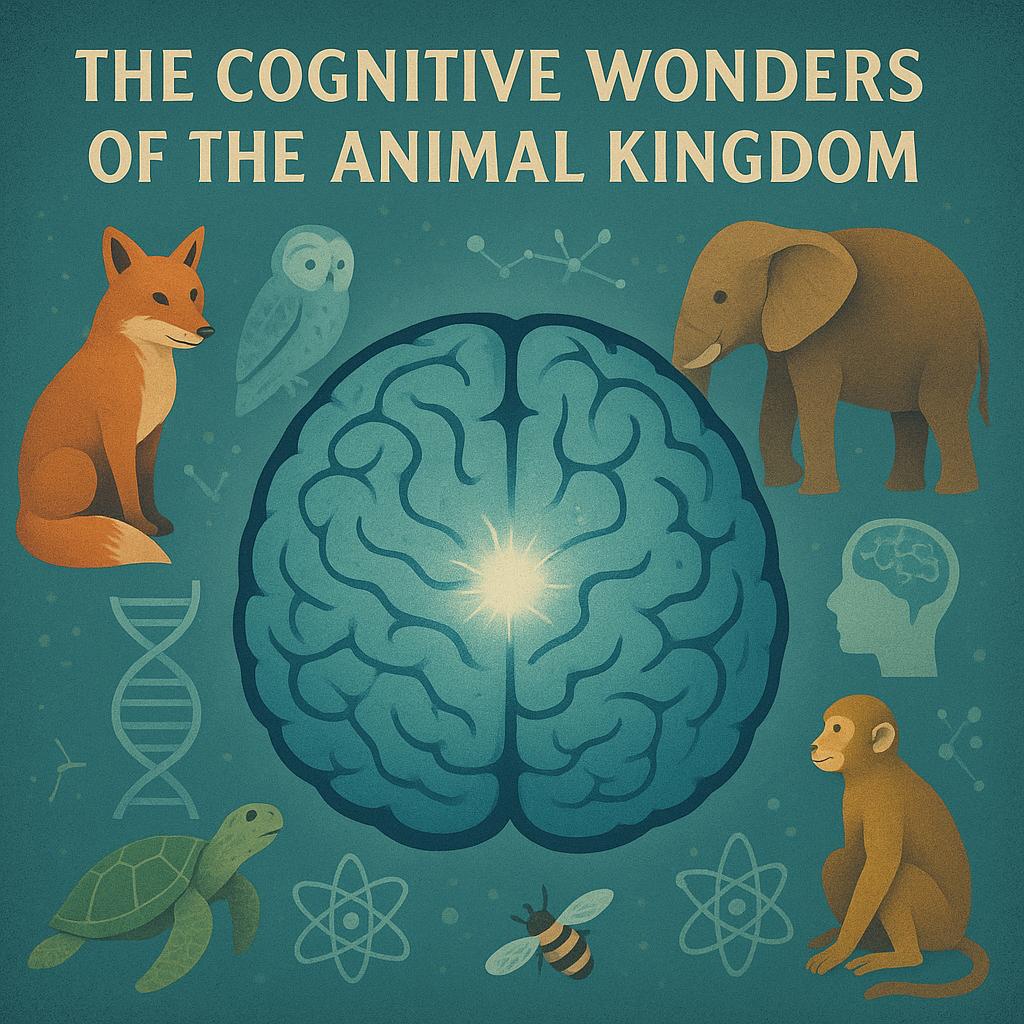
The Cognitive Wonders of the Animal Kingdom
Across the vast tapestry of life, intelligence manifests in surprising and diverse ways. From problem-solving and communication to empathy and self-awareness, animals demonstrate cognitive abilities that rival, and sometimes outshine, human expectations. Take, for instance, the remarkable memory and social complexity of elephants, or the innovative tool use observed in certain bird species.
Within the animal kingdom, intelligence often thrives in environments that demand adaptability and keen observational skills. Dolphins, with their sophisticated sonar and social cooperation, showcase a form of intellect that is both collaborative and individualistic. Meanwhile, octopuses exemplify a radically different kind of brainpower—exhibiting problem-solving skills, mimicry, and even escape artistry in solitary underwater realms.
In exploring these cognitive wonders, it becomes clear that intelligence is multifaceted, shaped by evolutionary pressures unique to each species. Some animals excel in emotional intelligence and social bonds, while others showcase remarkable mechanical aptitude or environmental awareness. This diversity invites us to reconsider what intelligence truly means and recognize its many splendid forms.
- Episodic memory: Elephants recall water sources over vast distances and long periods.
- Communication intricacy: Dolphins use signature whistles akin to names.
- Tool innovation: Crows fashion hooks from twigs to extract insects.
- Self-recognition: Great apes pass mirror tests indicating self-awareness.
| Animal | Cognitive Trait | Remarkable Ability |
|---|---|---|
| Elephant | Memory | Recall migration routes after years |
| Dolphin | Communication | Unique signature whistles for individual ID |
| Chimpanzee | Tool Use | Crafts sticks for termite fishing |
| Octopus | Problem Solving | Unlocks jars and mimics environment |
Decoding Intelligence Across Species Boundaries
Intelligence is not a uniform trait—it manifests in various forms across the animal kingdom, shaped by millennia of evolution and environmental demands. When we talk about cognitive abilities, it’s critical to acknowledge the vast diversity of how different species process information, solve problems, and adapt. From the intricate social networks of elephants to the sophisticated tool use of crows, intelligence breaks free of the human mold, challenging our very definitions.
Understanding this complexity often involves examining unique behaviors:
- Problem-solving: Some species showcase remarkable adaptability, using their environment creatively to overcome obstacles.
- Communication: Complex vocalizations and body language reveal advanced social intelligence.
- Memory: Long-term recall helps certain animals navigate vast territories or remember social bonds.
- Learning ability: The capacity to learn from experience, and sometimes from each other, is a hallmark of intelligence.
Below is a simplified comparison highlighting select animals and their cognitive specializations:
| Species | Cognitive Skill | Notable Behavior |
|---|---|---|
| Elephant | Emotional Intelligence | Grieving their dead and complex social bonding |
| Octopus | Problem Solving | Escaping enclosures and camouflage mastery |
| Crow | Tool Use | Crafting tools to extract food |
| Dolphin | Communication | Using signature whistles to identify individuals |
By appreciating intelligence through such diverse lenses, we broaden our respect for the animal kingdom and gain fresh insights into the evolution of mind and consciousness itself.
Behavioral Insights That Reveal Hidden Genius
When observing animal intelligence, it’s not just about solving puzzles or demonstrating memory strength. Many species express their hidden genius through nuances of behavior that go unnoticed at first glance. For example, octopuses exhibit remarkable problem-solving abilities, not just escaping mazes but using tools like coconut shells to shield themselves—a behavior once believed exclusive to primates.
In the wild, the social dynamics of elephants unveil cognitive skills rooted in empathy and memory. They mourn their dead, recognize themselves in mirrors, and maintain complex social networks that require advanced communication and emotional intelligence. Such behavior highlights the multi-faceted nature of genius beyond simple IQ-like metrics.
Some birds, such as ravens and crows, challenge traditional definitions of intelligence by crafting intricate strategies to access food or manipulate situations. Their ability to make and use tools, plan for the future, and even engage in play demonstrates an unexpected level of foresight and creativity.
- Problem-solving: Ability to overcome challenges using logic and adaptability.
- Social intelligence: Navigating complex relationships and emotional cues.
- Communication skills: Utilizing vocalizations, gestures, or even tools to convey messages.
- Memory and learning: Retention of information over time and adjusting behavior accordingly.
Guidelines for Appreciating and Protecting Animal Minds
Understanding the cognitive capacities of animals invites us to reconsider not only their place in the natural world but also our responsibilities toward them. These remarkable creatures deserve more than admiration—they require thoughtful protection that respects the complexity of their minds. When engaging with animals, whether in the wild or in captivity, it is essential to offer environments that promote mental stimulation and emotional well-being.
Promoting cognitive enrichment is a critical step in protecting animal minds. This involves providing challenges that engage problem-solving skills and creativity, such as puzzle feeders for primates or varied foraging opportunities for birds. Enrichment helps prevent boredom and psychological distress, underscoring how intelligence isn’t just about learning but thriving emotionally.
Advocacy for animal rights must extend beyond physical safety and habitat conservation to include awareness of their intellectual and emotional lives. Educational programs aimed at fostering empathy and understanding can bridge the gap between humans and the animal kingdom, cultivating a culture of respect and protection. This approach reframes our role from dominators to caregivers.
- Recognize diverse intelligence: Appreciate that intelligence manifests differently across species.
- Support ethical research: Ensure studies prioritize animal welfare and cognitive well-being.
- Preserve natural habitats: Protect environments critical for the development of natural behaviors and cognitive growth.
- Promote policy change: Advocate for laws that recognize cognitive capacities in animal protection frameworks.
| Action | Benefit |
|---|---|
| Enrichment Activities | Boost mental health and reduce stress |
| Environmental Preservation | Maintains natural stimuli and behaviors |
| Ethical Research Practices | Ensures humane treatment and valid insights |
| Educational Outreach | Builds community respect and support |
Q&A
Q&A: The World’s Smartest Animals Ranked by Intelligence
Q1: What criteria are used to determine animal intelligence?
A1: Animal intelligence is measured through a combination of problem-solving skills, memory, social behavior, communication abilities, and adaptability to new situations. Researchers often use specific tests tailored to each species, such as puzzle-solving tasks, tool use, and social learning experiments.
Q2: Which animal is considered the smartest overall?
A2: Many scientists recognize the bottlenose dolphin as one of the smartest animals due to its complex communication, social structures, and impressive cognitive abilities. However, great apes, especially chimpanzees, and certain bird species like crows and ravens also rank very high.
Q3: How do birds fit into the intelligence rankings?
A3: Birds, particularly corvids (crows, ravens, and jays) and some parrots, are surprisingly intelligent. They demonstrate problem-solving, mimicry, and even tool-making skills, rivaling some mammals in cognitive capabilities.
Q4: Are intelligence rankings fixed, or can they change over time?
A4: Rankings can evolve as new research emerges and our understanding of animal cognition improves. The discovery of unexpected behaviors or enhanced testing methods often leads to re-evaluation of particular species’ intelligence.
Q5: Does intelligence in animals correlate with brain size?
A5: While brain size plays a role, the ratio of brain size to body size (known as the encephalization quotient) and brain structure complexity are more significant indicators. Some small-brained animals, like certain birds and octopuses, demonstrate remarkable intelligence despite their size.
Q6: What’s an example of a surprising intelligence trait in an unexpected animal?
A6: Octopuses showcase remarkable intelligence, such as using coconut shells for shelter and solving complex mazes. Their capacity for problem-solving and escape artistry often surprises those who consider intelligence mostly a mammalian trait.
Q7: How can understanding animal intelligence benefit humans?
A7: Studying animal intelligence helps us appreciate biodiversity, improve animal welfare, and informs technologies inspired by nature, such as robotics and artificial intelligence. It also deepens our insight into the evolution of cognition across species.
Q8: Are there ethical considerations linked to acknowledging animal intelligence?
A8: Absolutely. Recognizing intelligence in animals prompts ethical questions about how we treat them in captivity, research, and the wild. It encourages more humane policies and respect for their cognitive and emotional lives.
Q9: Which animals are considered especially good at social intelligence?
A9: Elephants, dolphins, wolves, and primates exhibit complex social intelligence, showing empathy, cooperation, and even mourning behavior. Their intricate social networks require advanced communication and emotional understanding.
Q10: Can intelligence be cultivated or improved in animals?
A10: To some extent, yes. Animals exposed to enriching environments and training often display enhanced cognitive abilities. This plasticity reveals that intelligence isn’t just hardwired but can be shaped by experience and learning.
Closing Remarks
As we close this exploration into the fascinating world of animal intellect, it becomes clear that intelligence takes many shapes and forms beyond human understanding. From problem-solving dolphins to cunning crows and the empathetic elephants, each species showcases unique cognitive talents that challenge our perceptions of intelligence. While rankings may guide us, the true marvel lies in appreciating these creatures for their remarkable abilities and the intricate ways they navigate their environments. In celebrating the smartest animals on Earth, we also deepen our respect for the rich tapestry of life that shares this planet with us—a reminder that intelligence is a diverse, wondrous phenomenon not confined to any single species.



0 Comments