Physical Address
304 North Cardinal St.
Dorchester Center, MA 02124
Physical Address
304 North Cardinal St.
Dorchester Center, MA 02124
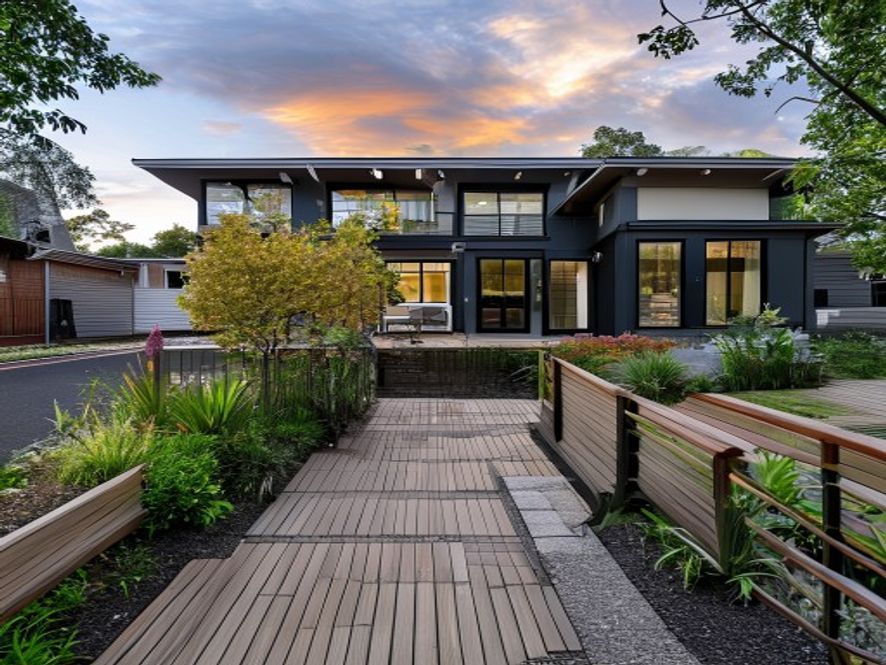
Ground floor extensions offer Sydney homeowners a smart way to create more space without needing to pack up and move. Whether you are dealing with a cramped kitchen or just need a light-filled living area, choosing a ground-level build often provides the best return on investment. By extending outwards rather than upwards, you bypass the complexity of structural load-bearing changes on upper levels, making the process smoother and often more cost-effective.
Sydney property owners are increasingly choosing this route to modernise older Californian bungalows or semi-detached terraces. If you want to increase your footprint while maintaining a seamless flow between your indoor and outdoor zones, Ground Floor Extensions represent the gold standard in residential renovation. Let us look at how you can maximise your project outcome.
Getting your paperwork in order is the first hurdle in the Sydney market. Local council regulations can be tricky, especially if you live in a heritage conservation area. You need to understand your land zoning and how your proposed building footprint interacts with your neighbours’ light and privacy. Before you pick up a sledgehammer, engage with a professional who understands the specific Local Environmental Plan (LEP) for your council.
Many homeowners overlook the importance of the Development Application (DA) or Complying Development Certificate (CDC) process. A well-planned submission significantly reduces the risk of long delays. Remember, Sydney councils place high value on the streetscape. Ensure your design keeps the character of your home intact while delivering the internal space you crave.
Working through the approval stage requires patience and precision. Your architect should lead this charge to ensure every detail—from side setbacks to site coverage ratios—is accounted for. A project that ignores these technicalities is destined for the ‘rejected’ pile, costing you time and money. Focus on getting it right the first time, as council fees and application costs mount up quickly if you are forced to re-submit plans.
When you commit to Ground Floor Extensions, you are looking to improve your lifestyle, not just add square metres. Successful designs prioritise the transition between existing rooms and the new space. You want the new area to feel like a natural evolution of the house, not a bolted-on box. Think about sightlines, natural light, and material palette. Matching timber flooring or ensuring brickwork aligns creates that cohesive ‘forever home’ feel.
Large sliding doors or bi-fold systems are staples of modern Sydney living. They blur the lines between the kitchen and the backyard deck. This is vital in our climate, where indoor-outdoor living defines the way we entertain. By extending at ground level, you make it easier to link your new living room directly to a patio or garden, creating a resort-style vibe in your own backyard.
Money is always the elephant in the room. Sydney construction costs can vary wildly depending on your site access, soil type, and the complexity of the design. You must build in a contingency fund of at least 15% for those ‘unknowns’ that inevitably pop up during demolition. Ground Floor Extensions are generally cheaper than a full second-storey build, yet they still require significant investment in foundations, drainage, and plumbing.
Discussing your vision with an expert early helps keep the budget grounded. You do not want to fall in love with a marble-clad design only to realise you have no funds left for the actual framing. Prioritise structural integrity and insulation first; luxury finishes can always be added later once your budget recovers.
Investing in your property should always be a calculated decision. By focusing on smart, functional layouts, you add genuine value that real estate agents will recognise. Buyers in Sydney look for versatile spaces. A ground-level extension that provides an open-plan kitchen and dining area is infinitely more desirable than a collection of small, dark rooms. Think about long-term utility to ensure your renovation remains relevant for the next decade.
Not necessarily. Depending on the size of your project and your land type, you might be eligible for a Complying Development Certificate (CDC). This is a faster approval pathway for straightforward projects that meet specific state-wide codes. Always check your specific site requirements before proceeding.
On average, the construction phase for a standard extension ranges between four to eight months. This timeline depends on the complexity of the work, weather conditions, and how quickly trades are secured. Planning and approvals can take an additional three to six months depending on your council.
The foundations and the structural connections to the existing house are usually the biggest costs. Excavation, drainage, and concrete slab work are essential, labour-intensive tasks that must be done perfectly to avoid long-term issues like moisture or foundation cracking.
Ultimately, a well-executed renovation transforms your living experience. Sydney is a city of distinct architectural styles, and your home should reflect the best of its heritage while embracing modern comforts. By staying focused on high-quality construction and thoughtful design, your extension will serve your family for years to come.