Physical Address
304 North Cardinal St.
Dorchester Center, MA 02124
Physical Address
304 North Cardinal St.
Dorchester Center, MA 02124
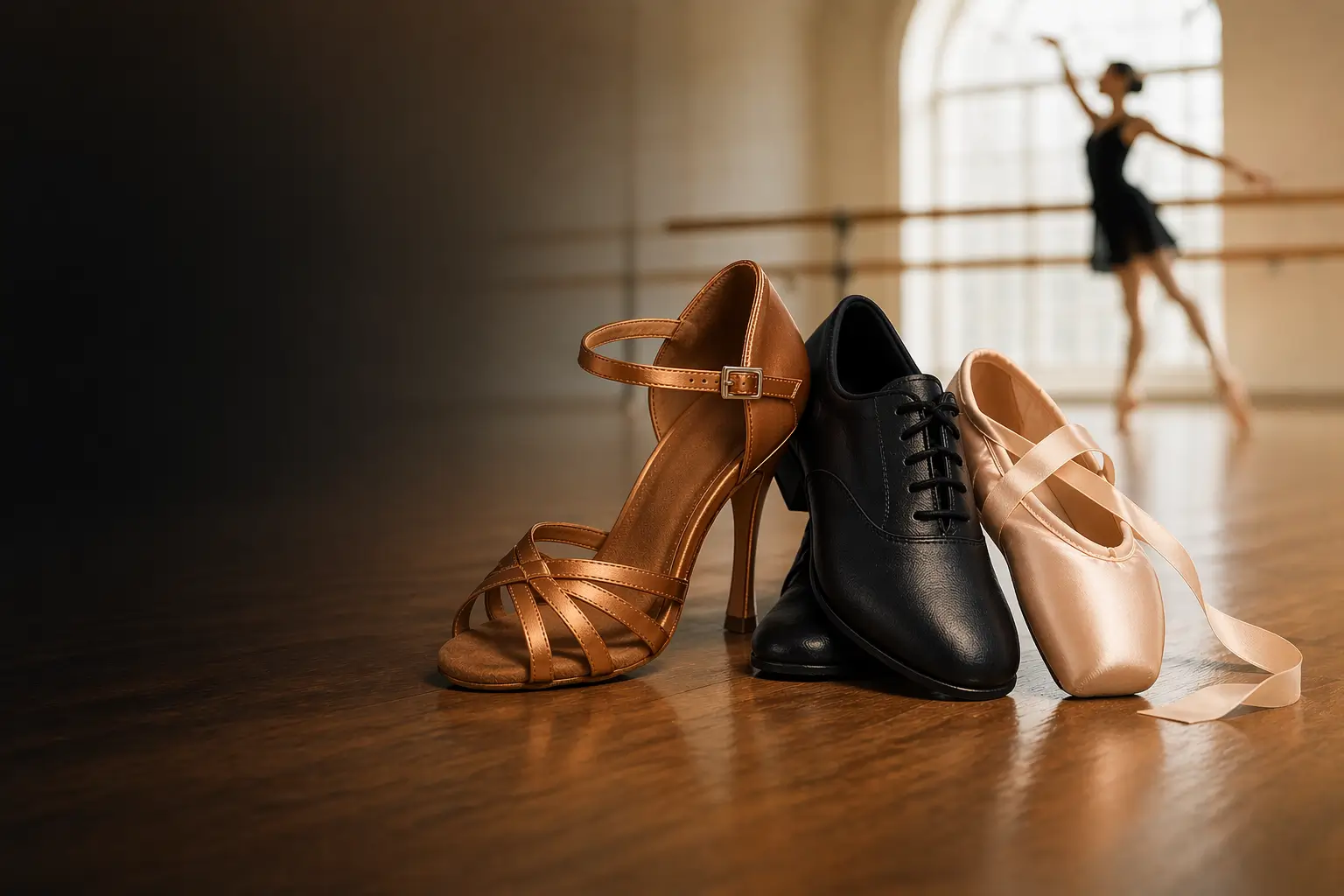
Finding the right pair of dance shoes is arguably the most critical decision a performer makes, as these tools directly influence your balance, speed, and overall injury prevention. Whether you are stepping onto a ballroom floor or training in a contemporary studio, the mechanics of your feet dictate your technique. Quality footwear acts as an extension of your body, providing the necessary friction and support to execute complex sequences without compromise. If you are currently hunting for dance shoes australia, understanding the nuance of materials, sole types, and fit is essential to long-term progress.
For many dancers, the search for the perfect fit can feel overwhelming. You need to consider how the shoe moves with your arch, how the heel stability affects your turnout, and whether the material will stretch over time. Investing in equipment specifically designed for movement rather than standard street wear prevents structural issues in your ankles and knees. Below, we delve into the technical aspects of selecting professional gear that keeps you moving safely.
Your feet are the foundation of every movement. When you wear substandard footwear, your muscles compensate for lack of support, leading to fatigue long before your class ends. Dedicated dance shoes offer a level of precision that trainers simply cannot match. They are designed to facilitate smooth pivots, controlled slides, and solid landings, which are vital for longevity in the industry.
A well-constructed shoe provides specific structural reinforcement where it counts. For instance, ballroom styles often feature a suede sole, allowing for the precise amount of grip on wooden surfaces. Conversely, ballet slippers focus on highlighting the line of the foot and allowing the toes to spread during demi-pointe work. When you choose equipment engineered for your specific genre, you minimise the risk of tendonitis and stress fractures. This is the difference between dancing for a few years and having a lifelong career.
The sole is the heart of your performance. Different surfaces require different textures to ensure you remain upright and mobile. Suede is the industry gold standard for many styles, as it can be brushed to maintain the ideal level of grip. If the sole becomes too smooth, you risk slipping; if it is too rough, your turns will be jerky and difficult to control.
Rubber soles have their place, particularly for hip-hop or commercial dance styles where traction is a priority. However, for turning-heavy genres like jazz or Latin, rubber can cause too much friction, potentially leading to knee injuries. Leather soles offer a middle ground, providing durability and a smooth glide that wears in beautifully over time. Always test your soles on the floor type you frequent most often to gauge how they respond to the surface.
Comfort is a misunderstood metric in the dance world. Many beginners believe their shoes should feel like a loose slipper, but the reality is quite the opposite. Your gear should feel like a second skin, fitting snugly without pinching your toes or causing numbness. If there is excess space in the shoe, your foot will slide inside during transitions, creating blisters and decreasing your balance.
When fitting, consider the time of day. Your feet naturally swell throughout the afternoon, so try them on when they are at their largest. Stand up, shift your weight, and perform a few simple plies. If your toes are curling or your heel is slipping out with every step, you have the wrong size. A professional fitting is worth the time, as manufacturers vary wildly in their sizing conventions.
Synthetic materials often tempt beginners due to the lower price point, but they rarely offer the breathability required for intense training. Genuine leather conforms to the shape of your foot, becoming more comfortable the more you wear it. Canvas is a fantastic alternative for ballet and contemporary, as it is machine-washable and offers a soft, flexible feel that helps you articulate your feet.
When evaluating the lifespan of your purchase, look at the stitching and the density of the heel block. Higher quality construction features reinforced seams that prevent the shoe from falling apart under the pressure of repetitive jumps. Maintaining your gear is equally important; keep your shoes in a ventilated bag and use a wire brush for suede soles to ensure they last through months of gruelling rehearsals.
The lifespan depends entirely on the intensity of your training and the surface you use. A professional dancing six hours a day may need a new pair every three months, whereas a hobbyist might get a year out of them. Monitor your soles for thinning and your upper material for fraying.
Avoid wearing them on concrete or asphalt at all costs. Grit, stones, and pavement rapidly destroy the delicate sole materials. Keep a pair of thongs or street shoes in your bag to wear until you reach the studio.
Use a designated metal-bristle wire brush. Gently scrub the suede in a cross-hatch pattern. This lifts the fibres and removes the build-up of wax and floor dirt, effectively restoring the grip you need for safe turning.